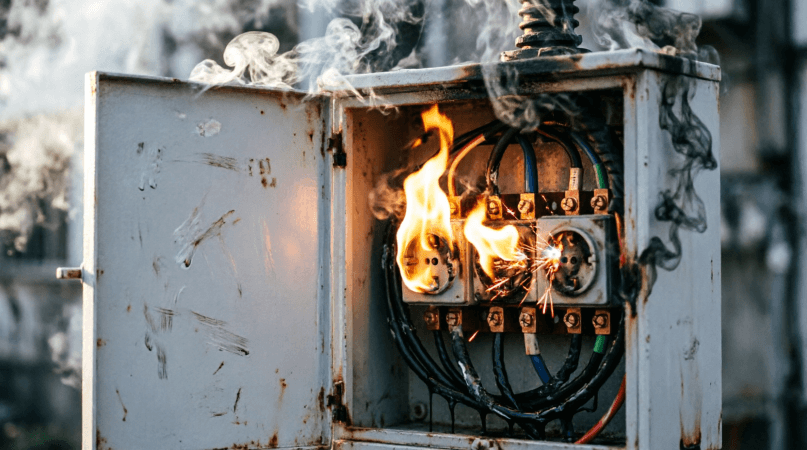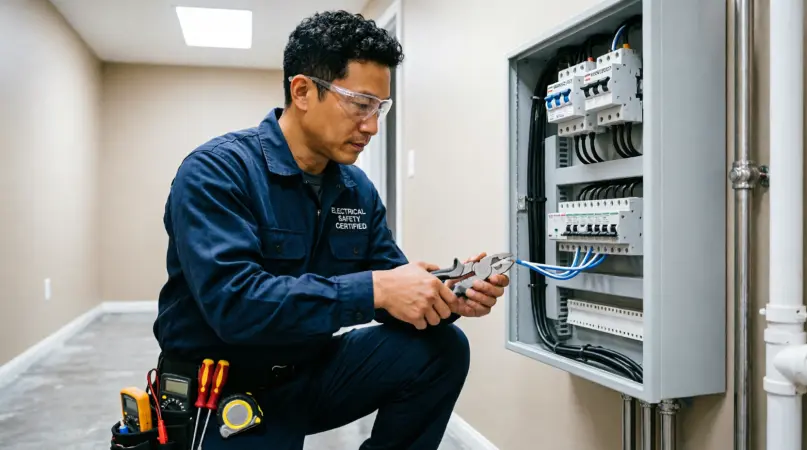

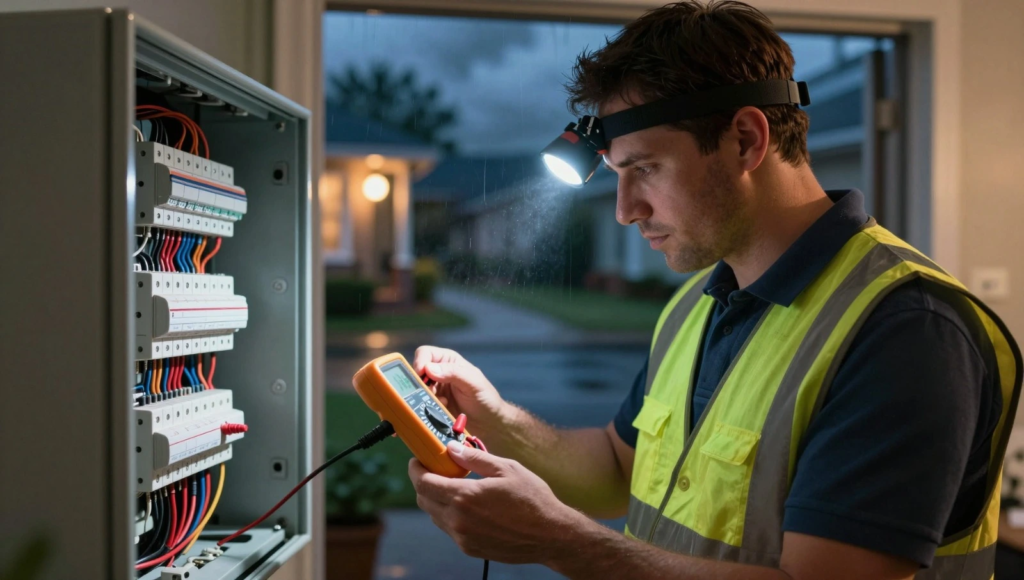
It’s 11:30 PM on a stormy night. Your home suddenly drops into pitch darkness. You head to the switchboard, reset the switch, and it snaps straight back off, this time with a burning smell coming from the wall.
You need help now. But right behind the panic comes a second worry: what is this going to cost?
That fear of an inflated late-night bill is exactly what stops many Sydney homeowners from picking up the phone. Without clear pricing upfront, calling a tradie after midnight can feel like signing a blank cheque.
Sydney Emergency Electrician Costs
A licensed after-hours emergency electrician in Sydney charges a call-out fee of $150 to $300, plus an after-hours hourly rate of $150 to $250+. A typical late-night visit costs $300 to $550 in total, covering dispatch, on-site diagnostics, and the first hour of labour.
Standard daylight rates are lower, sitting between $80 and $150 per hour. Pricing shifts with time of day because emergency electrical work carries genuine operational overhead: penalty rates, rapid-response logistics, and the risk profile of working on a live, potentially hazardous system after hours.
What You’ll Pay Depending on the Time You Call
Sydney’s emergency electrical rates scale with risk and demand. Late nights, weekends, and public holidays all carry higher staff penalty rates, urgent dispatch costs, and toll charges across the Sydney motorway network.
| Time Bracket | When | Call-Out Fee | Hourly Rate | Typical First Visit |
| Standard hours | Mon–Fri, 7am–5pm | $80–$150 | $85–$140/hr | $165–$290 |
| Evenings & weekends | Mon–Fri 5pm–10pm, Sat–Sun | $150–$250 | $150–$200/hr | $300–$450 |
| Late night | Every day, 10pm–7am | $250–$350+ | $200–$300+/hr | $450–$650+ |
| Public holidays | Easter, Christmas, ANZAC Day, etc. | $300–$400+ | $250–$350+/hr | $550–$750+ |
What Does the Call-Out Fee Actually Cover?
A qualified electrician’s call-out fee is not a charge for answering the phone. It’s a fixed cost that covers vehicle dispatch, travel and tolls, an on-site hazard assessment, and typically the first 30 to 60 minutes of diagnostic labour.
A properly conducted diagnosis is what separates a compliant repair from a temporary patch, so this stage matters more than most homeowners realise:
- Vehicle dispatch – getting a fully stocked service vehicle to your door, whether you’re in the Inner West, Northern Beaches, or Western Sydney
- Travel and tolls – fuel, wear, and Sydney tolls such as WestConnex, the M4, or Lane Cove Tunnel
- On-site diagnosis – locating short circuits, failing main switches, or active safety risks using proper test equipment, not guesswork
- Initial labour – most reputable providers include the first hour of fault-finding in the base fee
Common Emergencies and What They Cost
Your final bill is driven by the underlying fault, not just the hour you called. A faulty breaker swap is a fast, low-risk fix, while storm-affected or hidden wiring can take several hours and specialist equipment to make safe.
| Emergency | What’s Usually Wrong | Time On-Site | Total Cost |
| Safety switch keeps tripping | Faulty appliance, water in outdoor circuits, shorted power point | 1–2 hrs | $300–$480 |
| Burnt switchboard / main fuse | Overloaded switches, old ceramic fuses, degraded insulation | 1.5–3 hrs | $450–$850 |
| Total power loss | Neutral wire isolation, melted busbars, hidden overload | 2–4 hrs | $550–$1,100 |
| Storm damage / exposed cables | Water in light fixtures, fallen branches on wires | 2–3+ hrs | $500–$950+ |
| Level 2 ASP dispatch | Consumer mains damage, overhead line detachment | 3–5+ hrs | $1,500–$2,500+ |
Let’s get started!
Hidden Costs Most People Don’t See Coming
Beyond the standard call-out and hourly rate, several Sydney-specific factors can lift the final invoice, and an experienced electrician will flag these before starting work, not after.
- Grid operator defect notices – an Ausgrid or Endeavour Energy notice means the work must go to an accredited provider, not a standard repair
- Complex service entry lines – damage to overhead connections or underground mains needs permits and heavy-duty gear
- Travel overheads – tolls, airport link fees, and CBD parking all add up after hours
- Specialised parts – uncommon breakers, obsolete fuses, or weatherhead fittings sourced outside normal trading hours usually carry a supplier markup
Make-Safe vs. Permanent Repair: Why This Saves You Money
Most late-night call-outs involve a temporary make-safe rather than a full repair. A qualified electrician isolates the hazard, shuts off the damaged circuit, and restores safe power to the rest of the home, then schedules the permanent fix during business hours.
This staged approach reflects standard trade practice for a reason: it removes the immediate fire or shock risk that night, without forcing you to pay premium after-hours rates for work that can safely wait until daylight.
A Quick Note for Tenants
Renting doesn’t mean you’re stuck waiting by the phone during a genuine electrical emergency. Under the NSW Residential Tenancies Act 2010, hazards like exposed live wires or a total power outage count as urgent repairs. If your landlord or agent can’t be reached, you’re entitled to authorise the fix yourself, up to $2,000, and get reimbursed once it’s confirmed the work meets the AS/NZS 3000 wiring standard.
At Top Electricians, every invoice separates the emergency stabilisation charge from any optional daylight follow-up, so you and your landlord both have a clean paper trail for reimbursement.
What to Confirm Before Dispatching a Sydney Emergency Electrician
- Total upfront fee: Get the call-out charge, hourly rate, and whether the first hour’s labour is included.
- Are they licensed: Confirm a valid NSW Fair Trading licence and public liability insurance.
- Compliance certificate: Major repairs or switchboard work should come with an official CCEW.
A properly licensed electrician answers all three without hesitation. If they can’t, that’s your warning sign.
Frequently Asked Questions
What’s the average call-out fee for an emergency electrician in Sydney?
Between $150 and $300, covering dispatch, travel, and initial diagnosis. Late-night or public holiday call-outs can push this closer to $350.
Why do after-hours electricians charge more?
To cover penalty rates, standby overheads, urgent dispatch logistics, and after-hours supplier fees, all of which keep qualified electricians available around the clock.
Can a Sydney tenant call an emergency electrician without landlord approval?
Yes, for genuine safety hazards like exposed wires or total power failure. If the landlord or agent is unreachable, tenants can authorise repairs up to $2,000 and claim reimbursement.
What’s the difference between a standard electrician and a Level 2 ASP?
A standard electrician handles internal wiring, power points, and switchboards. A Level 2 Accredited Service Provider works on the network itself, including overhead lines and underground service cables.
Is fault-finding included in the call-out fee?
Usually yes, for the first 30 to 60 minutes. Complex thermal testing or extensive wall tracing beyond that is billed as additional labour.
Final Thoughts
Electrical emergencies don’t wait for business hours, and neither do we. Top Electricians is contactable 24/7 across every Sydney suburb we service, and our team is equipped to work on any switchboard, at any time of night. Wherever you’re calling from, we aim to be on-site as quickly as possible and get to work on the fault straight away.
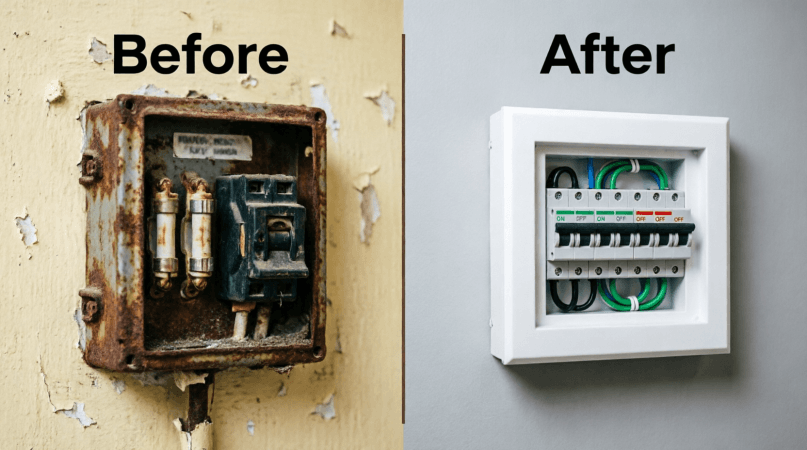
The steps in this guide will help you understand what’s happening and what it should cost. But for faults involving burnt switchboards, exposed wiring, or repeated tripping, it’s worth bringing in one of our experienced Level 2 electricians rather than troubleshooting alone.
Reach us anytime at info@topelectricianssydney.com.au or get in touch here. Whether you need an emergency repair, a switchboard upgrade, or a routine safety inspection, we’re ready to help, on time and done right.