
Sydney’s older homes have plenty of charm, but their electrical infrastructure is often stuck in the past, unable to handle EV chargers, ducted air conditioning, solar batteries, and smart home systems. When a panel is pushed beyond its limits, it doesn’t just fail, it becomes a severe fire hazard. Comprehensive electrical assessments across Sydney confirm whether a home’s infrastructure is safe, compliant, and ready for modern power demands. This guide covers the 10 critical signs an upgrade is needed, the real costs involved, and how the heavy lifting gets handled to protect the property.
10 Signs You Need a Switchboard Upgrade
The signs below cover everything from outdated fuses to missing safety switches, and any one of them is reason enough to book an inspection.
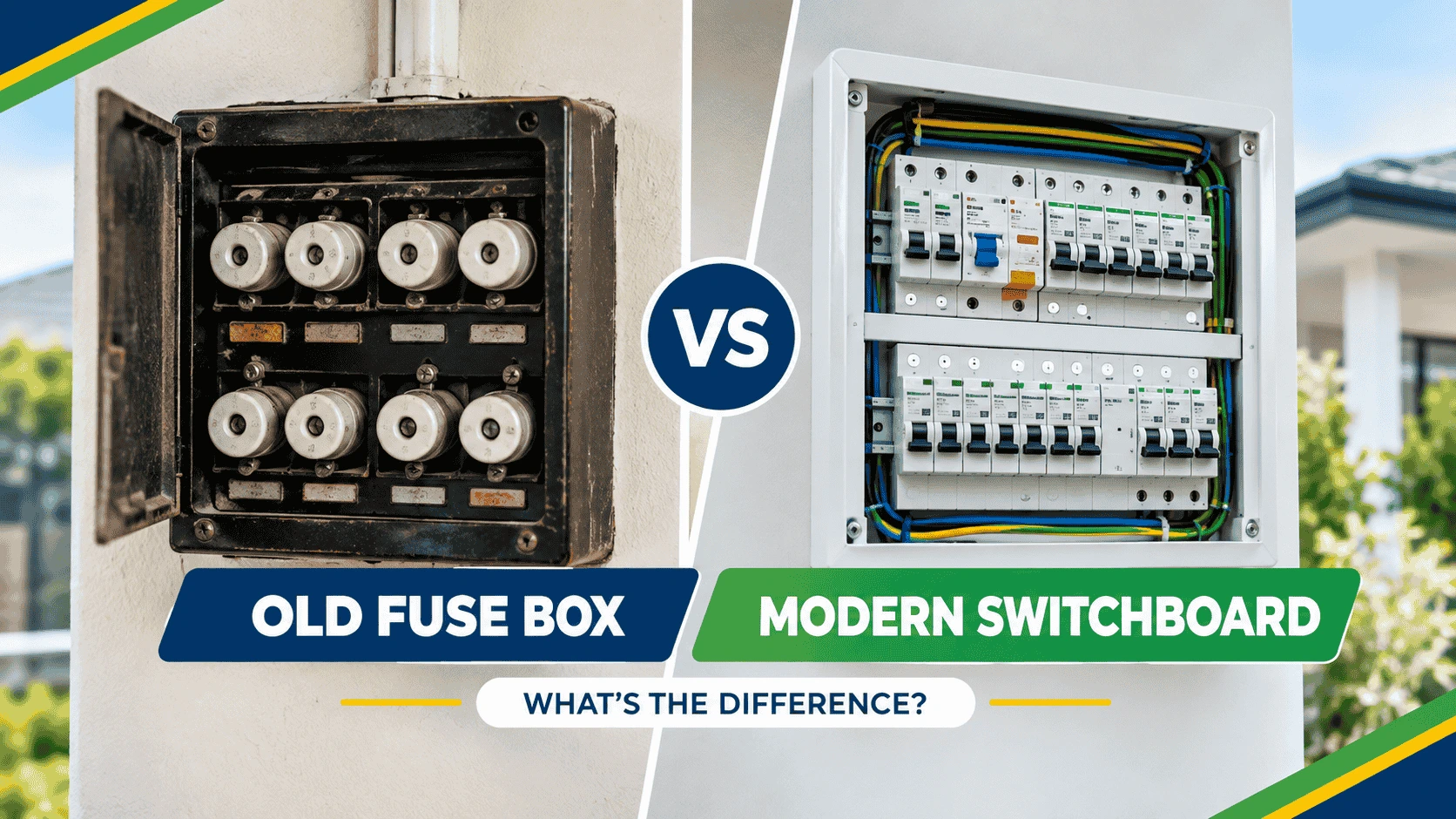
1. Your Property Still Has Ceramic Fuses or an Old Fuse Box
A ceramic fuse box is operating on borrowed time, designed for an era when a home’s peak demand was around 30 amps, against the 60 to 100+ amps a modern Sydney home draws today. Older fuse systems offer virtually no protection against modern electrical faults. A particular danger is “tagged” fuses, where a previous owner or unlicensed handyman has wrapped a thicker piece of copper wire around the fuse to stop it blowing. This completely bypasses the safety mechanism, turning a minor fault into a potential house fire.
2. Your Circuit Breakers Keep Tripping
Tripping once in a blue moon is normal, but power regularly cutting out when the kettle, air conditioner, or EV charger switches on signals a chronic overload. Frequent tripping means the switchboard lacks the capacity to handle the household’s simultaneous power demands. It can also point to deteriorating wiring, loose neutral connections, or faulty appliances. Constantly resetting breakers is a sign it’s time for a professional load assessment and circuit breaker upgrade.
3. Your Switchboard Does Not Have Safety Switches (RCD Protection)
A Residual Current Device (RCD), or safety switch, monitors the flow of electricity and cuts power in milliseconds if it detects a leakage, such as current flowing through a person’s body. NSW mandated safety switches on all new power and lighting circuits from the year 2000. A home built before this and never upgraded has no life-saving protection against electric shock. A standard circuit breaker only protects the wiring from overloads; an RCD or RCBO protects human life.
4. Your Switchboard Feels Hot, Smells Burnt, or Makes Strange Sounds
A switchboard should be cool, silent, and odourless, so any of the following points to an active electrical fault:
- A burning plastic or fishy smell near the panel
- The switchboard cover feeling warm to the touch
- Buzzing, crackling, or sizzling sounds
- Discolouration, scorch marks, or melted plastic on the breakers
These are classic signs of electrical arcing, loose terminations, or overloaded busbars. Turn off the main switch immediately and call an emergency electrician, and don’t attempt to open the panel.
5. You Are Installing High-Powered Electrical Appliances
Many homeowners only discover they need an upgrade when they try to install a new luxury appliance, and each of the following raises the load significantly:
- EV chargers, which require a dedicated 32A or 40A circuit; adding one to an old board without upgrading the mains is a severe fire risk
- Ducted air conditioning, which needs a large starting current and dedicated circuitry
- Induction cooktops, which draw significantly more power than older gas or electric coil stoves
A licensed electrician should perform a load calculation before installing major equipment, to confirm the switchboard and consumer mains can handle the new demand.
6. Your Switchboard Has No Space for Additional Circuits
A switchboard crammed full of breakers with no empty slots left was likely built for the basic needs of an earlier era. A full board sometimes tempts an unlicensed worker to “piggy-back” breakers or use double-width breakers to squeeze more in, which directly violates the Wiring Rules. A modern switchboard upgrade provides a larger enclosure with dedicated, properly sized spaces for every circuit, ensuring safe load distribution and easier maintenance.
7. Your Property Needs Consumer Mains or Meter Upgrades
Sometimes the internal switchboard is fine, but the external meter box or the cables feeding the home, known as consumer mains, are the real bottleneck. A meter box made of wood, containing asbestos, or fitted with undersized consumer mains cables must be upgraded. This work connects directly to the street network and legally requires a Level 2 Accredited Service Provider (ASP). Top Electricians Sydney’s in-house Level 2 ASP team handles all network disconnections, meter relocations, and service upgrades for Ausgrid, Endeavour Energy, and Essential Energy, removing the hassle of coordinating multiple contractors.
8. You Are Renovating, Selling, or Buying an Older Sydney Property
Electrical infrastructure is easy to overlook when designing a new kitchen or buying a heritage home, but it becomes non-negotiable during a renovation, granny flat build, or property purchase. For sellers, an outdated, non-compliant switchboard can kill a sale when the buyer’s inspector flags it. For buyers, inheriting an asbestos-laden, fuse-wired switchboard can mean a $3,000+ surprise bill immediately after settlement. A pre-purchase electrical inspection reveals the true liabilities before they become the new owner’s problem.
9. Your Electrical System Cannot Handle Modern Energy Demands
Homes are becoming micro power plants, and rooftop solar, home batteries, and smart home hubs have fundamentally changed how electricity is consumed and generated. An older switchboard may lack the physical space or technical capability to integrate solar inverters or battery management systems. Future-proofing with a modern switchboard allows green technology to be adopted seamlessly, without needing another upgrade in five years.
10. Your Switchboard Has Never Been Professionally Inspected
Electrical degradation is silent, since connections loosen over time through thermal expansion and contraction, and dust builds up inside panels, creating tracking risks. Most homeowners only think about their electrical system when the power goes out. A preventative electrical safety inspection by a licensed contractor identifies loose lugs, corroded earth bars, and degraded insulation long before they cause a catastrophic failure.
Switchboard Upgrade Process in Sydney: What Should You Expect?
A professional switchboard upgrade follows four structured, highly regulated steps with a reputable Sydney electrical contractor.
- Comprehensive assessment and asbestos check. The electrician inspects the existing board, calculates the home’s maximum demand, and checks for asbestos in the switchboard or meter box. Asbestos, if present, must be safely removed by a licensed remediation specialist before electrical work begins.
- Design and network coordination. If the upgrade needs more power than the current service provides, or the consumer mains need replacing, the electrician designs the new system and, where a Level 2 ASP is required, lodges the necessary service orders with the local DNSP (Ausgrid, Endeavour, or Essential Energy).
- Professional installation. Power is isolated for a few hours on installation day. The old board is safely removed, the new enclosure mounted, and modern RCBOs or RCDs wired and labelled. Where network work is required, the ASP disconnects and reconnects the service mains seamlessly.
- Testing, certification, and handover. Every circuit is tested for polarity, earth continuity, and RCD trip times. On passing, an Electrical Safety Certificate (ESC), which recently replaced the CCEW in NSW, is issued as legal proof the work complies with AS/NZS 3000 and NSW Fair Trading regulations.
How Much Does a Switchboard Upgrade Cost in Sydney?
Every home is different, so there’s no single fixed price, but these are realistic 2026 ballpark estimates for Sydney.
| Type of Upgrade | Estimated Cost (Supply & Install) | What’s Included |
|---|---|---|
| Basic fuse box swap | $1,200 – $1,800 | Replacing ceramic fuses with standard circuit breakers (no RCDs) |
| Full switchboard upgrade | $1,800 – $2,800 | New enclosure, RCBOs/RCDs for all circuits, new labels, ESC certificate |
| Meter box / consumer mains | $2,500 – $4,500+ | Upgrading external meter box, replacing underground/overhead mains (requires Level 2 ASP) |
| Asbestos remediation | $800 – $1,500+ | Safe removal and disposal of asbestos flash guards or backing boards |
Several factors influence the final quote:
- Number of circuits: a 3-bedroom home has fewer than a 5-bedroom home with a pool and granny flat
- RCBOs vs. RCDs: RCBOs combine circuit breaker and safety switch functions, costing more per unit but offering superior, individual circuit protection
- Asbestos: pre-1990 homes with asbestos in the electrical panel face remediation costs that are legally required
- Network fees: apply if Ausgrid or Endeavour Energy needs to upgrade the street service
Top Electricians Sydney provides detailed, upfront quotes with no hidden call-out fees or surprise charges.
Let’s get started!
Why Choose Top Electricians Sydney for Your Switchboard Upgrade?
- In-House Level 2 ASP Work: No outsourcing, no weeks-long delays. We handle the entire network process ourselves.
- Proven Local Experience: We bring 17+ years of expertise and 4,250+ completed projects directly to your doorstep.
- Transparent, Upfront Pricing: We guarantee clear quotes with zero hidden costs.
- Fully Insured & Compliant: We back every job with full compliance certification and comprehensive public liability insurance.
Frequently Asked Questions About Switchboard Upgrades in Sydney
1. How long does a switchboard upgrade take?
A standard internal upgrade takes one day, with power off for 4 to 6 hours. If Level 2 ASP meter work is required, it may take 1 to 2 days depending on network approvals.
2. Do I legally need safety switches (RCDs) in my older home?
RCDs aren’t retroactively forced onto existing circuits, but any new circuit added must have one. Upgrading to RCBOs is strongly recommended for family safety and to avoid issues when selling.
3. Will I get a certificate after the upgrade?
Yes, an official Electrical Safety Certificate (ESC) is issued upon completion, proving the upgrade meets all NSW Fair Trading regulations.
4. Can I stay in the house during the upgrade?
Yes, power is only isolated for a few hours, and the work is scheduled at a time that minimises disruption to the day.
Conclusion: Upgrade Your Sydney Switchboard Before Problems Become Emergencies
A switchboard is the silent guardian of a home’s electrical safety, and if it’s outdated, overloaded, or missing modern protection, it’s only a matter of time before it fails. Top Electricians Sydney’s licensed team combines 17+ years of experience, in-house Level 2 ASP capabilities, and transparent pricing to deliver safe, reliable, future-proof electrical upgrades, backed by rapid-response emergency coverage across Greater Sydney. Local technicians are ready to deploy across Western Sydney, the Southern Suburbs, the Northern Suburbs, the Eastern Suburbs, and Central Sydney, offering 24/7 coverage for any residential, commercial, or industrial emergency.
📞 Call today on 0431 460 141 or request a free quote online. Let Sydney electrical specialists assess your switchboard, explain your options, and recommend the safest solution for your property.