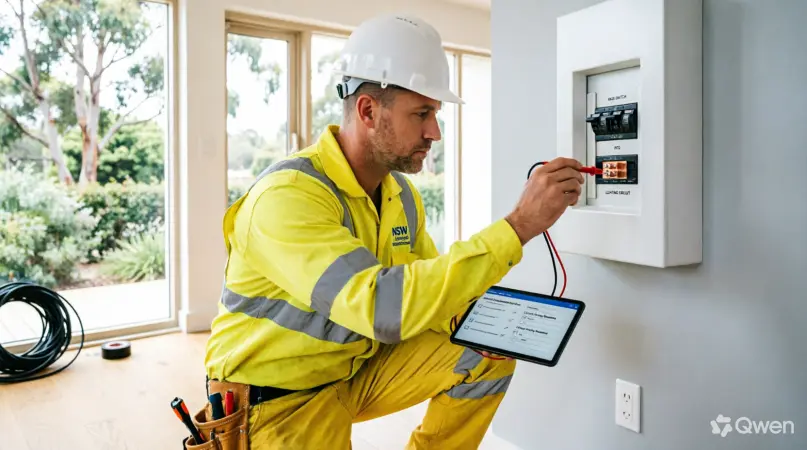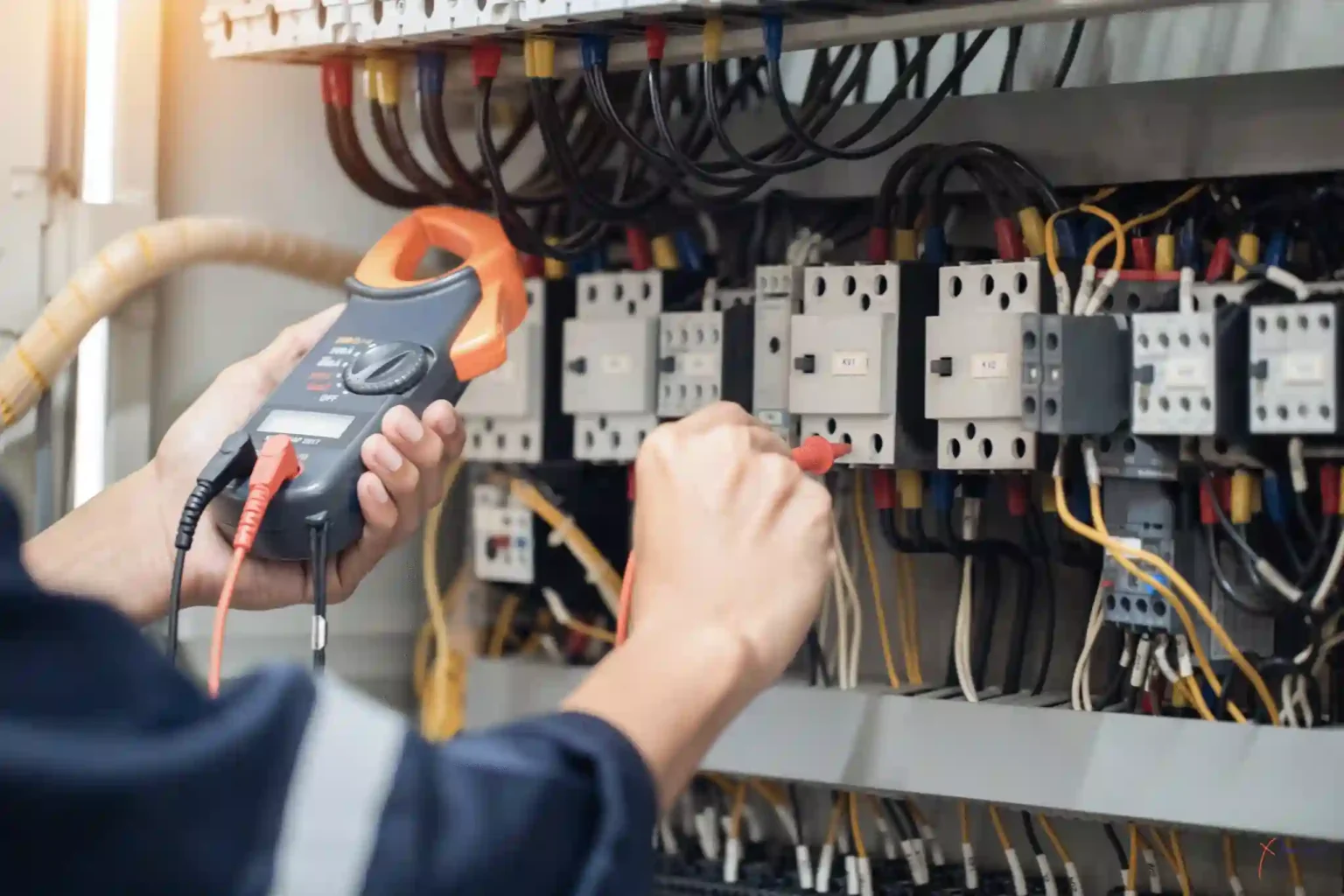

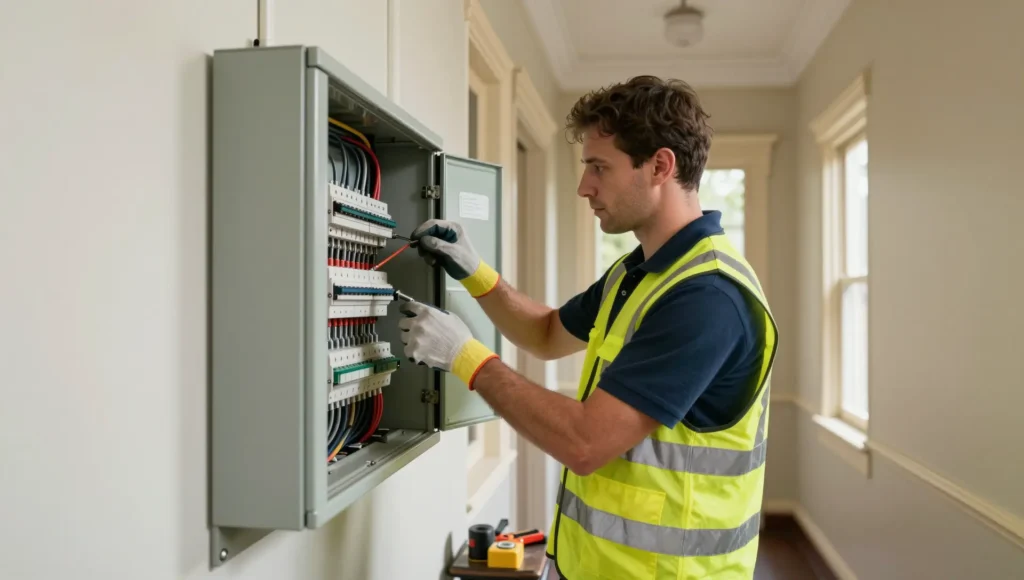
Sydney’s electrical infrastructure was built for a different era of consumption. Electrical safety in Sydney properties depends on matching switchboard capacity, appliance load, and compliance testing to current usage patterns, since most homes and commercial sites were wired decades before EV chargers, induction cooktops, and lithium-ion devices existed. Properties across the Inner West, Western Sydney, the North Shore, and the Eastern Suburbs all face the same underlying risk: infrastructure aging faster than the load placed on it. Top Electricians Sydney routinely inspects properties where a preventable fault turned into an expensive emergency, and this guide covers the four checks that catch those risks before they escalate, along with the 2026 compliance changes now in effect statewide, a full safety checklist, and what to do if an electrical emergency happens before help arrives.
Tip 1: Check Your Switchboard Capacity Against Maximum Demand
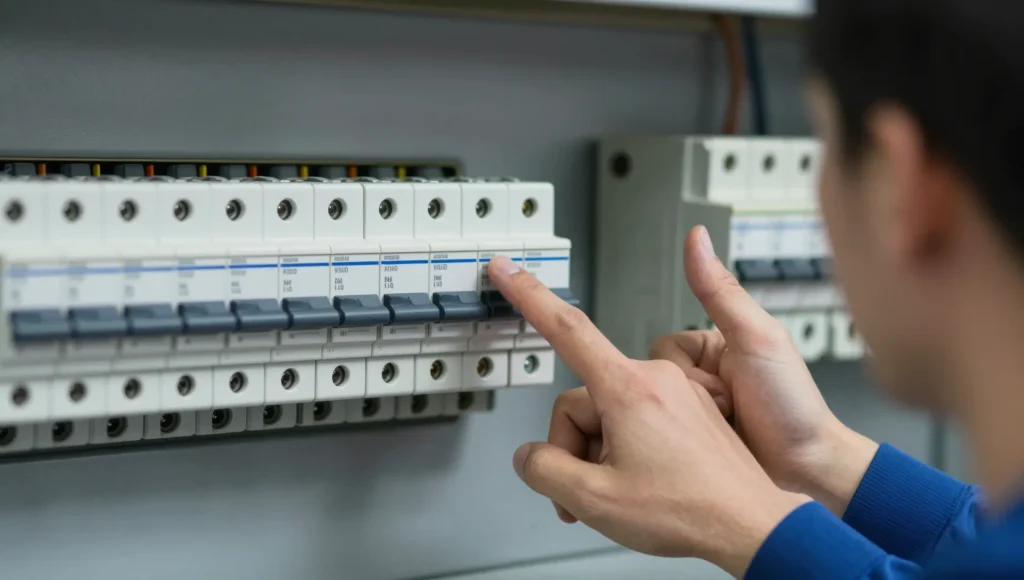
Maximum demand is the calculated peak electrical current a property draws when every connected appliance runs at once, assessed by licensed contractors under AS/NZS 3000 (the Wiring Rules) to prevent circuit overload and fire risk. Many Sydney homes, particularly in heritage areas, still run on a standard 63-Amp single-phase main, a supply level designed for basic lighting and refrigeration rather than today’s appliance mix.
The math adds up quickly. A 32-Amp induction cooktop paired with a 15-Amp EV fast charger already accounts for 47 Amps of available supply. Once a ducted air conditioning system cycles on alongside a running washing machine, the property breaches its 63-Amp threshold. This overload creates sustained thermal stress on old cabling inside ceiling spaces, degrading insulation well before a legacy fuse ever trips.
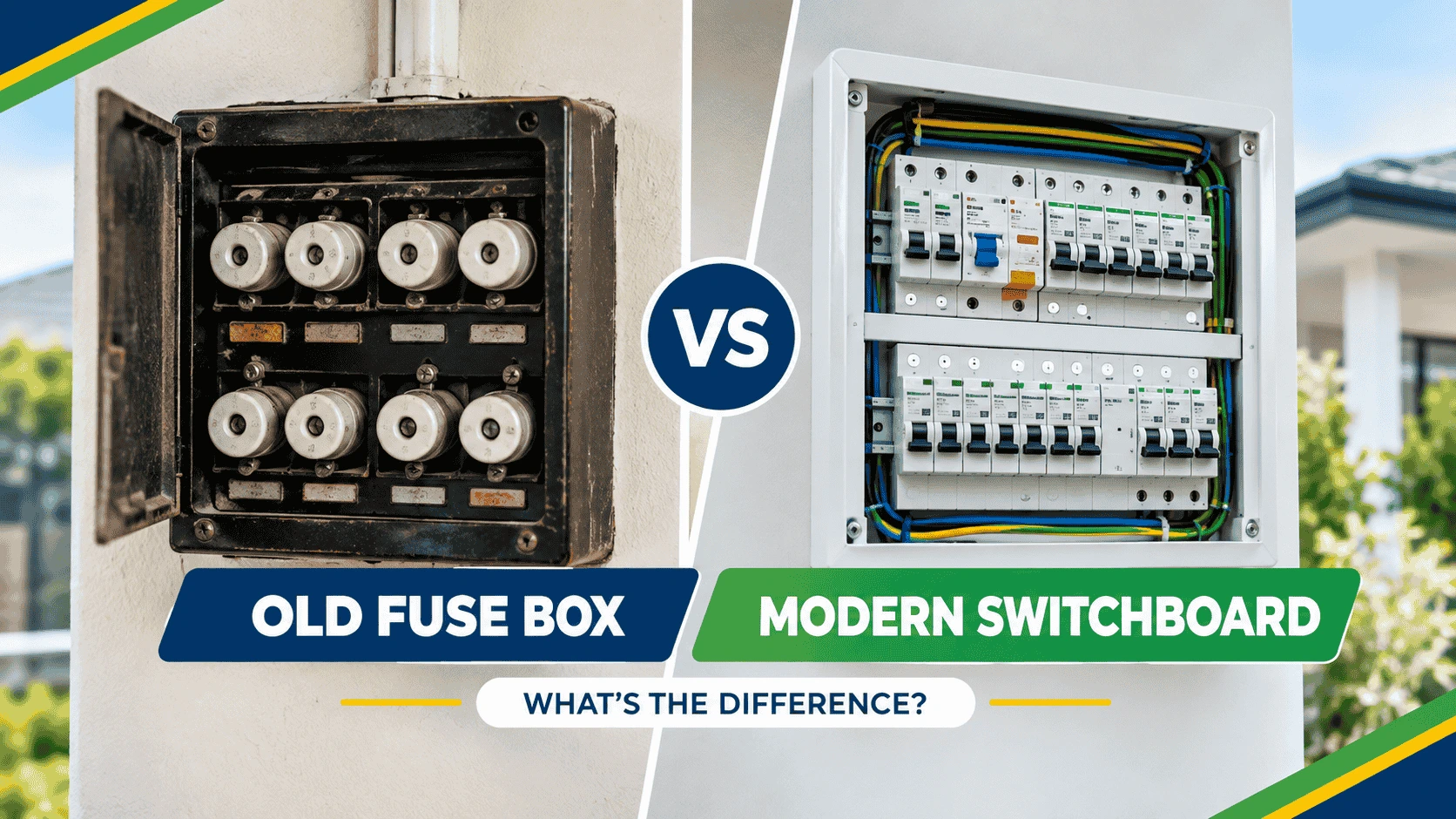
Properties still running porcelain ceramic fuses lack the diagnostic capability to flag this kind of strain before it becomes dangerous. A modern switchboard upgrade with integrated circuit protection is the direct fix, and it is worth having a licensed electrician run a proper maximum demand assessment before you add any new high-draw appliance to an older board.
The following signs indicate a switchboard needs professional assessment before the problem escalates.
- Circuit breakers tripping regularly
- Flickering lights when large appliances start
- Warm or discoloured switchboard covers
- Buzzing sounds near the electrical panel
- Burning smells around power points
- Heavy reliance on extension leads and power boards
- An original ceramic fuse installation still in service
- Plans to add an EV charger, solar system, or battery storage
Tip 2: Charge Lithium-Ion Batteries Away from Escape Routes
Lithium-ion batteries in e-bikes, e-scooters, and mobility devices pose a distinct fire risk during charging, and Fire and Rescue NSW data shows a sharp rise in domestic fires linked directly to unsupervised or poor-quality charging setups. Unlike a standard electrical fault, a failing lithium-ion cell can enter thermal runaway, a rapid self-heating reaction that releases toxic gas and intense directional flame within seconds, cutting off a safe exit if it happens near a hallway or front door.
The following steps reduce lithium-ion charging risk in both homes and workplaces.
- Only use chargers carrying the Australian Regulatory Compliance Mark (RCM)
- Disconnect devices as soon as they reach full charge rather than leaving them overnight
- Charge in a well-ventilated, low-traffic area fitted with a nearby smoke alarm
- Never charge in hallways, entryways, or near a primary escape route
- Stop using any battery that becomes swollen, cracked, leaking, or unusually hot
- Charge on a hard, non-combustible surface away from curtains, furniture, and bedding
- Replace a damaged battery immediately rather than attempting a repair
Tip 3: Keep Commercial Equipment Test and Tag Current

Commercial and industrial properties carry statutory testing obligations that go beyond residential best practice, with SafeWork NSW placing legal accountability for plug-in equipment safety directly on business owners and facility managers. The core compliance mechanism is Test and Tag under AS/NZS 3760, and the required frequency depends entirely on how hard the environment is on the equipment.
The table below sets out the standard testing intervals by operating environment.
| Operating Environment | Example Workspace | Required Testing Interval |
| High-wear environments | Commercial kitchens, workshops, factories | Every 6 months |
| Standard-wear environments | Shared offices, retail spaces, showrooms | Every 12 months |
| Low-wear environments | Fixed desks, server rooms, boardrooms | Every 2 to 5 years |
| Hire and rental equipment | Construction plant gear, tool hire | Before every hire |
Outdated tags and missing digital compliance logs create direct exposure for a business. Insurance underwriters routinely check these records after an incident, and gaps in the paper trail can void commercial property coverage entirely.
Tip 4: Add Thermal Imaging to Your Annual Switchboard Checks
Thermal imaging inspection uses infrared technology to detect resistance-driven heat inside a live switchboard, identifying loose connections, imbalanced phases, and oxidised contacts that a standard circuit breaker cannot catch. A circuit breaker only trips once current thresholds are breached, so it has no way of flagging a slow-building heat zone caused by a degraded terminal. Annual thermal imaging closes that gap, giving facility managers documented evidence of proactive maintenance for insurance and compliance purposes, and it applies just as much to strata buildings with shared switchboards as it does to standalone commercial sites.
Strata properties in particular carry shared compliance responsibility across common areas, individual lots, and body corporate infrastructure, so switchboard capacity checks and safety switch coverage need to be assessed at both the building and unit level, not just within each apartment.
Quick Electrical Safety Checklist
A simple recurring maintenance routine catches most electrical problems while they are still cheap and easy to fix, rather than after they become an emergency callout. The checklist below covers the checks every Sydney property owner and facility manager should be running on a schedule.
| Safety Check | Recommended Frequency |
| Test safety switch (RCD) | Every 3 months (residential) / 6 months (fixed, commercial) |
| Inspect power cords and plugs | Monthly |
| Avoid overloading power boards and extension leads | Ongoing |
| Check switchboard capacity before installing an EV charger, solar system, or battery | Before installation |
| Arrange a professional electrical inspection | Every few years, or when concerns arise |
| Inspect lithium-ion batteries and chargers | Before every charge |
| Check surge protection after severe storms | Annually |
| Commercial Test and Tag | 6 to 12 months, per environment (see Tip 3) |
| Thermal imaging switchboard scan | Annually |
What to Do During an Electrical Emergency
Acting quickly and correctly during an electrical emergency reduces property damage and protects everyone on the premises, and the right first steps take only seconds to carry out. If you suspect an electrical emergency, safety comes before anything else.
- Turn off the main power supply if it is safe to do so
- Never touch exposed wiring or damaged electrical equipment
- Keep water away from any electrical hazard
- Evacuate the area immediately if you notice smoke or signs of fire
- Contact a licensed emergency electrician as soon as the area is safe
- Call emergency services if there is any risk of fire or injury
The 2026 CCEW Digital Compliance Framework
As of 1 July 2026, the BCNSW eCert portal is the sole legal channel for lodging a Certificate of Compliance for Electrical Work (CCEW) in New South Wales, replacing all hardcopy certificate books and legacy PDF submissions. Licensed electricians must log directly into the portal to generate, validate, and file every certificate, with a strict seven-day statutory window for lodgement after any notifiable installation or alteration.
For property owners, this changes how you verify a job was done properly. Verbal confirmation or an informal paper trail is no longer sufficient. Confirm your electrician holds active individual registration on the portal, and request your copy of the validated digital certificate once the job is complete. The system automatically shares this record with you, the relevant network distributor, and NSW Fair Trading.
When to Call a Level 2 Electrician
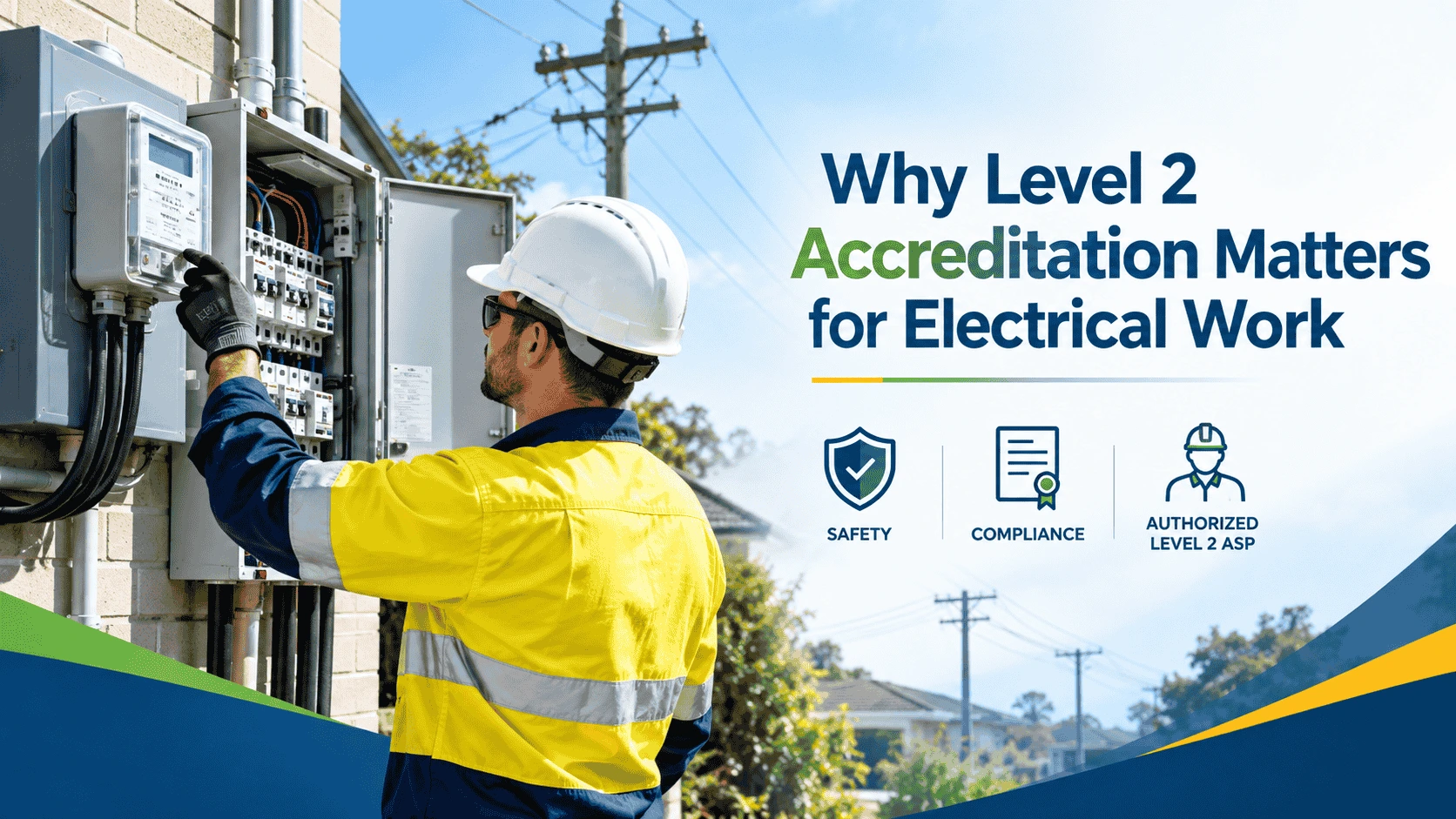
Some of the checks above go beyond standard licensed electrical work and require a Level 2 Electrician, since they involve the network-side connection between a property and the street supply. Switchboard upgrades that touch the service main, underground service connections, and metering work all fall into this category. If a maximum demand assessment flags a need to upgrade the main supply capacity, this is the qualification to look for.
Indicative Safety Assessment Pricing
Electrical safety assessment costs in Sydney vary by service type, property size, and site access, but the ranges below give a realistic starting point for budgeting. Top Electricians Sydney provides an exact quote after every on-site assessment.
| Service | Typical Scope | Indicative Cost Range |
| Maximum demand assessment | Switchboard load calculation, appliance audit | $150 to $300 |
| Switchboard upgrade | Modern board with circuit protection | $800 to $2,500+ |
| Test and Tag (per visit) | Commercial equipment testing and tagging | $2 to $6 per item |
| Thermal imaging inspection | Switchboard scan under peak load | $250 to $500 |
| Level 2 service upgrade | Main supply capacity increase | $1,200 to $3,000+ |
Pricing varies by property size, existing infrastructure, and site access, and a licensed electrician can confirm an exact figure after an on-site assessment.
Let’s get started!
Frequently Asked Questions
How often are commercial switchboard safety checks required in New South Wales?
SafeWork NSW guidelines call for a general electrical risk assessment annually. Residual current devices need a push-button check every six months on fixed installations, and portable equipment requires tagging at intervals of 3 to 12 months depending on environmental wear.
Am I legally required to upgrade my switchboard if I install an EV charger?
There is no blanket law forcing an upgrade on purchase alone, but installing an EV fast charger counts as a major circuit addition. Under AS/NZS 3000, your installer must calculate your home’s total demand profile, and if that exceeds your consumer main’s capacity, a board upgrade is required before connection.
What are the penalties for unlicensed DIY electrical work in Sydney?
Unlicensed fixed electrical work breaches the Home Building Act 1989. Individual property owners face on-the-spot fines of up to $22,000, and formal prosecution for systemic non-compliance can reach $110,000 for businesses.
Do landlords have to install safety switches on rental properties?
Yes. Under NSW Fair Trading’s residential tenancy rules, landlords must ensure functioning safety switches protect all active power and lighting circuits before a property is occupied.
What is the difference between a circuit breaker and an RCD?
A circuit breaker protects a building’s wiring, tripping when current spikes from a short circuit or overload. A Residual Current Device (RCD) protects people, cutting power instantly when it detects the kind of minor earth leakage current that indicates a risk of electrocution.
Book a Safety Assessment
Outdated wiring does not announce itself until something fails, whether that is a tripped circuit at the worst possible moment or a fire investigation that traces back to a switchboard nobody checked in a decade. Whether you are managing a heritage terrace, a strata building, or a commercial fit-out that needs its Test and Tag records up to date, a proper assessment now is far cheaper than an emergency callout later. Get in touch with Top Electricians Sydney to book a maximum demand check, switchboard upgrade, or compliance inspection, and have it handled by a team that knows Sydney’s housing stock and commercial sites inside out.