
Flickering lights. A burning smell near your power points. A safety switch that trips every time you use the kettle and air conditioner together.
These aren’t small annoyances. If your home was built before 1990, they’re warning signs that your wiring is reaching the end of its safe life.
Old wiring isn’t just inconvenient. It’s a fire and shock risk, and it can’t handle modern appliances like EV chargers, induction cooktops, and ducted air conditioning.
This guide gives you real 2026 Sydney rewiring prices, the hidden costs most quotes leave out, and the compliance rules every licensed electrician must follow.
Our local Top Electricians team is fully accredited for Level 2 ASP work and services homes right across Sydney, so whether your rewire needs a simple internal upgrade or a full mains connection through Ausgrid or Endeavour Energy, we’ve got it covered.
Warning Signs Behind Your Walls: The True Cost of Outdated Wiring
Signs your home may need rewiring:
- Safety switch trips often, especially with multiple appliances running
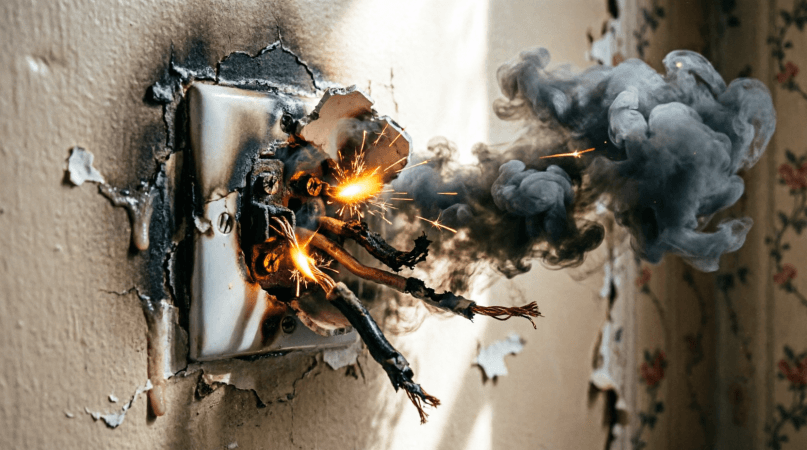
- Warm power points or a burning smell
- Flickering lights not caused by the globe
- Scorched or discoloured outlets
- Extension cords used as permanent wiring
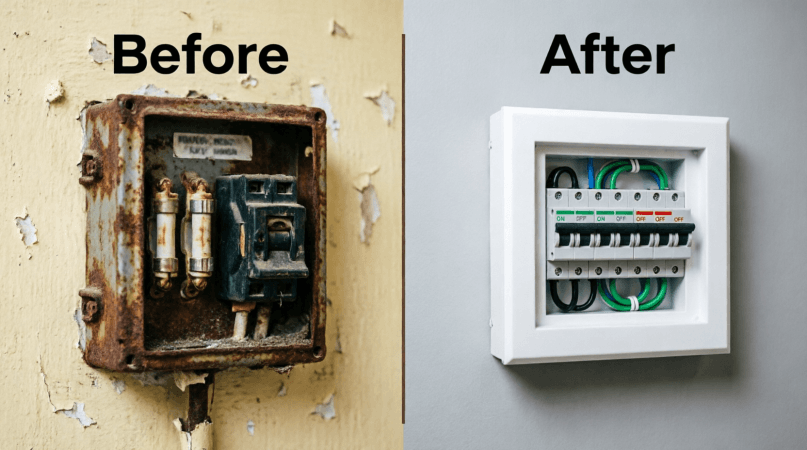
- Fuse box instead of a modern switchboard
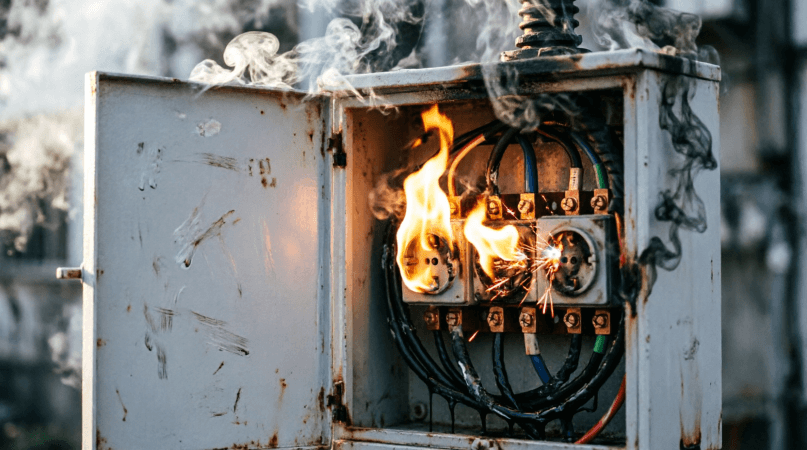
Old, cracked insulation and overloaded circuits can heat up inside your walls and start a fire you won’t see coming.
Modern homes also draw more power than old wiring was built for. Running EV chargers, induction cooktops, or ducted HVAC on legacy circuits breaches AS/NZS 3000:2018 Wiring Rules and can damage electronics. A compliant rewire fixes this and adds modern RCD safety switches that cut power instantly if something goes wrong.
2026 Price Breakdown: Sydney Home Wiring Costs by Property Size
| Property Type | Cost (AUD) | Timeframe | Included |
| 1–2 Bed Unit | $4,000 – $6,500 | 2–3 days | New sub-board, full rewire, up to 15 GPOs |
| 3-Bed Timber Home | $6,500 – $10,000 | 3–5 days | Full rewire, RCD/RCBO switchboard, 25+ GPOs |
| 4-Bed Home | $10,000 – $14,000 | 4–7 days | Full rewire, dedicated appliance circuits |
| Double Brick/Heritage | $14,000 – $22,000+ | 7–10+ days | Brick chasing, conduit, plaster repair |
| Multi-Storey/Luxury | $16,000 – $28,000+ | 8–12+ days | Multi-board, 3-phase, high power capacity |
Price depends mostly on wall access, switchboard compliance, and whether a Level 2 ASP electrician is needed for the mains connection.
Itemised Electrical Rates: Per-Point Fees and Hardware Costs
- Power point (GPO): $120 – $220 per point
- LED downlight: $90 – $160 per fitting
- Heavy appliance circuit (aircon, EV, induction): $350 – $750 per run
- Switchboard replacement: $1,500 – $3,500
- Consumer mains upgrade: $2,200 – $5,500 (Level 2 ASP required)
Ask for an itemised quote. It makes comparing electricians much easier.
Architectural Cost Drivers: The Sydney Construction Tax
Wall Construction: Timber Frame vs. Double Brick
Timber-frame homes have hollow wall cavities, so cable runs fast and clean.
Double brick homes, common in the Inner West, Eastern Suburbs, and Lower North Shore, don’t. Cables need to be chased into solid brick, fitted with conduit, then plastered over. This adds 30–50% to the cost.
Sub-Floor and Attic Clearance
Homes with a raised floor and open roof space are quick to rewire. Homes on a concrete slab with low ceilings are slower, since electricians often need to cut new access points.
How power reaches your home:
- Street pole or pit (Ausgrid or Endeavour Energy)
- Consumer mains (Level 2 ASP electrician)
- Meter board and service protection device
- Switchboard with RCD safety switches
- Lighting, GPOs, and heavy-duty circuits (EV/HVAC)
Presence of Hazardous Legacy Cabling
Homes built between 1920 and 1970 often still have:
- VIR (rubber) cabling that cracks and exposes live wire
- Cotton-insulated wiring that degrades with heat and moisture
- Lead-sheathed cabling that needs specialist removal
If any of these are present, a full rewire is usually the safer option.
The Competitor Gap: Hidden Costs & New Build Savings Strategies
The Gyprock Patching & Painting Exclusion
Electricians cut into walls and ceilings to run cable, but patching and painting isn’t part of their scope. Budget an extra $500–$1,500+ for a plasterer and painter, and confirm with your electrician upfront whether this is included.
Post-Handover Builder Markup Savings
Builders often charge 30–50% more for extra GPOs, downlights, and EV circuits.
A smarter way to save:
- Accept only the builder’s standard rough-in package
- Ask them to pre-plan conduit runs for easy upgrades later
- Bring in an independent electrician after handover for extras
This can save 25–40% on the same work.
Asbestos Backing Board Abatement
Homes built before 1990 often have meter panels backed with material that can contain asbestos. Cutting into these requires certified removal under SafeWork NSW rules, adding $350–$750 to the job.
Legal Compliance: Switchboard Mandates and CCEW eCert Rules
Mandatory Individual RCBO Protection
Under AS/NZS 3000:2018, every final subcircuit needs its own 30 mA RCBO. Old fuse boards and single circuit breakers no longer meet this standard.
Digital CCEW Lodgement via the BCNSW eCert Portal
After major electrical work, your electrician must lodge a Certificate of Compliance for Electrical Work (CCEW) through the BCNSW eCert portal within 7 days. Handwritten or PDF certificates are not valid. Keep your digital copy, insurers and future buyers may ask for it.
Level 2 ASP Grid Connection Requirements
Standard electricians handle everything inside your meter box. Upgrading the mains connection to the street requires a Level 2 ASP electrician, authorised by Ausgrid or Endeavour Energy.
Choosing the Right Electrician for a Sydney Rewire
Before you accept a quote, check that:
- Their NSW electrical licence number is valid on the Fair Trading Public Register
- The quote is itemised and states what’s excluded
- They’ll lodge your CCEW through the BCNSW eCert portal
- You know whether a Level 2 ASP is needed, and if it’s included
- They can show experience with your home type (unit, double brick, multi-storey)
- They offer a proper electrical safety inspection before quoting, not just a walk-through
Final Verdict: Balancing Budget, Building Rules, and Electrical Safety
A full rewire costs from around $4,000 for a small unit to $22,000+ for a heritage or double brick home. It’s a big spend, but it removes fire risk, stops circuit trips, and lets your home run modern appliances safely.
Before you sign off on a quote, confirm:
- Wall repair and asbestos disposal costs are included or clearly excluded
- Every circuit gets individual RCBO protection
- Your electrician lodges a CCEW through the BCNSW eCert portal
Get these right and your home will be safer, compliant, and easier to insure and sell.
Top Electricians proudly services homes across all of Sydney, including Central Sydney, Eastern Sydney, and Western Sydney, with fully licensed electricians and accredited Level 2 ASP specialists ready to handle rewires of any size.
Frequently Asked Questions
1. How long does a complete home rewire take in Sydney?
A 3-bedroom timber home usually takes 3–5 days. Units take 2–3 days. Larger or double brick homes can take 7–10+ days.
2. Can I live in my house while it’s being rewired?
Yes, most people stay home. Expect short power outages during the day, with power usually restored by evening. Double brick jobs involve more noise and dust.
3. Is a switchboard upgrade mandatory when rewiring a house?
Yes. New circuits can’t legally connect to an old fuse board. You need a modern switchboard with individual RCBOs and proper earthing.
4. What’s the difference between a partial rewire and a full rewire?
A full rewire replaces all wiring, the switchboard, and outlets. A partial rewire targets specific problem areas, like a subfloor with old rubber cabling, while leaving compliant wiring untouched.
5. How much does it cost to add extra power points without a full rewire?
Usually $120–$220 per point, depending on cable run and wall access.
6. How do I verify my electrician is legally licensed in NSW?
Check their licence number on the NSW Fair Trading Public Register, and confirm they lodge a digital CCEW through the BCNSW eCert portal.