
Behind the timber meter doors of thousands of heritage terraces, post-war bungalows, and mid-century apartments across Greater Sydney sits an outdated electrical panel holding a serious safety risk. Understanding why old switchboards are dangerous in Sydney homes is essential for any property owner attempting to protect their household from unexpected fires, electrical shocks, and sudden power failures. Legacy panels were designed for an era when a home ran little more than a refrigerator, a television, and a few incandescent light globes. Modern households draw far higher currents through induction cooktops, ducted air conditioning, and high-draw electric vehicle chargers, pushing older panels past their physical design limits.
Top Electricians provides this comprehensive compliance and hazard guide to help Sydney homeowners evaluate their electrical infrastructure, identify critical panel risks, and navigate mandatory NSW upgrade standards safely. We deliver fast, reliable electrical services all across Sydney.
The Hidden Ticking Time Bomb Inside Older Sydney Fuse Boxes
When an electrical system experiences sustained high demand, an outdated panel becomes the primary point of failure. Modern electrical safety relies on rapid automatic power isolation during a fault, but legacy panels lack the technical components necessary to prevent severe thermal buildup.
Overloaded circuits inside aging panels generate extreme heat behind the mounting plate. Loose screw terminals, oxidized copper busbars, and degraded wire insulation trigger continuous internal resistance. This heat buildup causes severe thermal overloading, gradually melting plastic wire casings and scorching surrounding timber framing. Left unaddressed, these conditions lead directly to an arc flash, exposing occupants to destructive internal electrical fires and violent panel explosions.
The Sydney Suburb Switchboard Risk Map: What Your Local Area Is Hiding
Electrical risks across Sydney are closely tied to regional housing styles, building ages, and local environmental conditions. A Victorian terrace in the Inner West presents entirely different switchboard challenges than a coastal apartment in the Eastern Suburbs or a larger family property in the Hills District.
| Sydney Region | Dominant Panel Hazard | Infrastructure Constraint | Expected Upgrade Cost Range |
| Inner West (e.g., Newtown, Haberfield, Marrickville) | Asbestos Backing Panel (Zelemite/Bakelite) and aging cotton wiring | Heritage facade restrictions and original timber enclosure limits | $2,200 – $4,000 |
| Eastern Suburbs (e.g., Coogee, Randwick, Bondi) | Compact panel enclosures and strata approval delays | Shared meter rooms and restricted mounting spaces | $1,800 – $3,500 |
| Hills District (e.g., Castle Hill, Baulkham Hills) | Undersized consumer mains capacity failing under high household loads | Single-phase 30A–63A supply mains overwhelmed by EV chargers and pools | $2,000 – $3,800 |
| Northern Beaches (e.g., Manly, Dee Why) | Accelerated salt air corrosion on mechanical contacts and switches | Higher mechanical safety switch failure rates due to coastal atmospheric salt | $1,800 – $3,200 |
Understanding these regional distinctions allows homeowners to prepare for specific site conditions:
- Inner West Terraces: Pre-1990 properties in this corridor frequently feature black Zelemite backing boards containing friable chrysotile asbestos. Drilling or modifying these boards during minor electrical work is illegal under NSW safety regulations and requires certified hazardous abatement.
- Eastern Suburbs Apartments: Multi-residential properties often require formal strata committee sign-offs before upgrading individual meter panels, especially when shared consumer mains must be isolated at the primary distribution board.
- Hills District Family Homes: Large suburban homes built during the late 20th century often retain undersized 30A to 63A main switches. Adding a modern 32A EV charger or ducted AC unit quickly triggers main fuse failures, requiring a full supply mains upgrade.
- Northern Beaches Coastal Properties: Airborne salt particles penetrate external meter boxes, accelerating copper oxidation and causing mechanical switch mechanisms to seize. Coastal panels require frequent testing and weatherproof enclosures built to modern standards.
5 Major Hazards Caused by Outdated Electrical Switchboards
1. Ceramic Fuses and the Fatal Absence of RCD Safety Switches
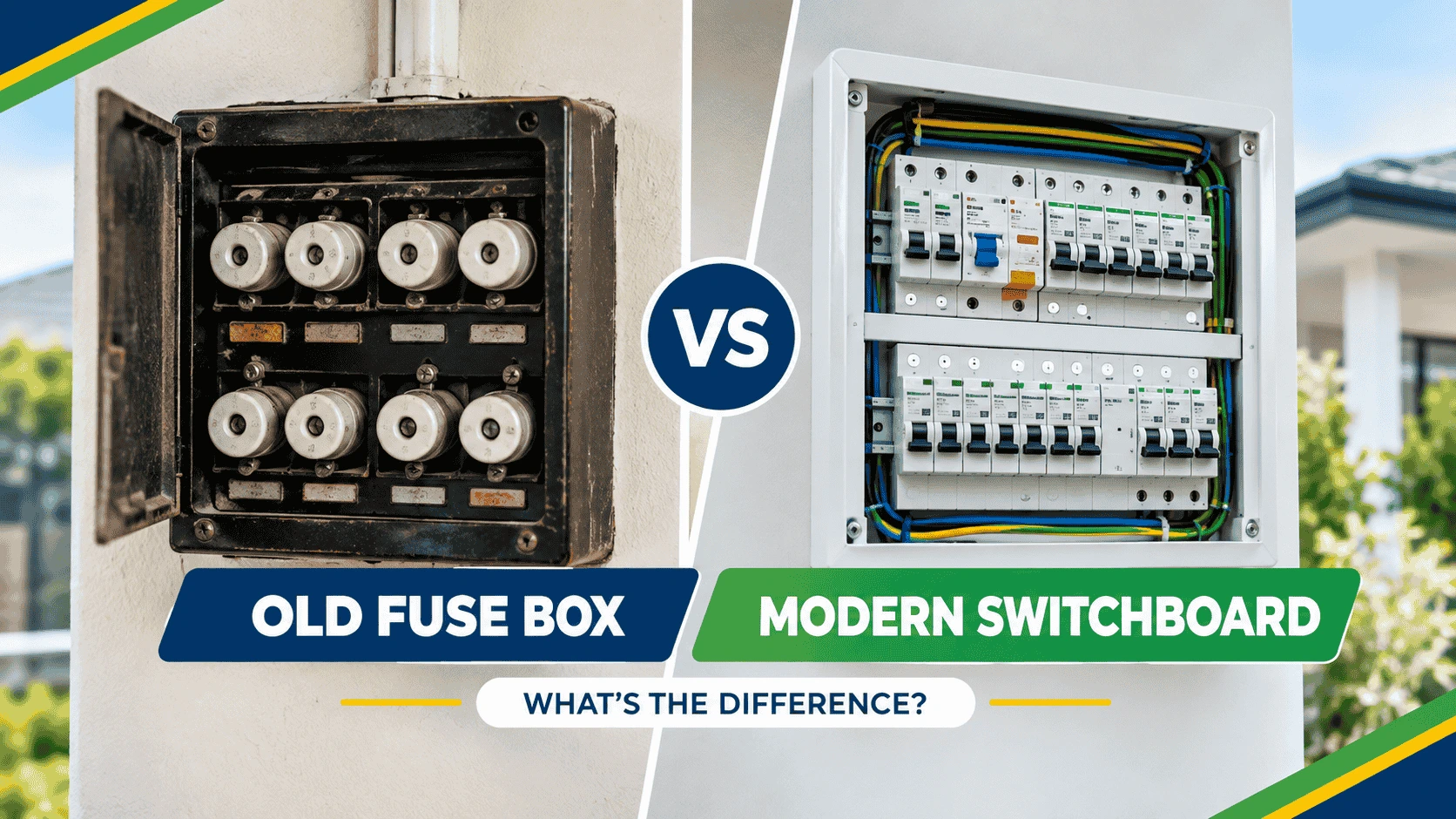
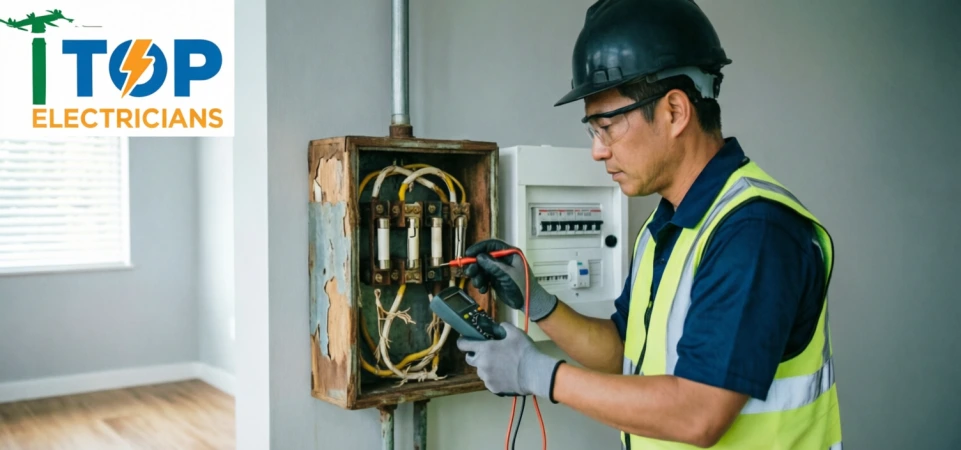
Legacy panels relying on re-wireable ceramic fuses offer zero protection against human electrocution. These outdated fuses are designed solely to protect building cables from melting during massive short circuits, not to protect human life.
What is the Difference Between Ceramic Fuses and Modern RCBOs?
Ceramic fuses utilize a sacrificial strip of copper wire that melts when overcurrent occurs, leaving households vulnerable to slow earth leakage shocks. A modern RCD safety switch or combined RCBO (Residual Current Breaker with Overcurrent Protection) constantly monitors current balance. If power leaks through a human body to ground, an RCBO cuts electrical supply within 30 milliseconds to prevent fatal cardiac arrest.
Under current AS/NZS 3000 wiring standards, all domestic power and lighting circuits must be protected by individual safety switches to satisfy mandatory NSW compliance.
2. Zelemite and Asbestos Backing Boards in Pre-1990 Properties
A significant proportion of pre-1990 Sydney homes feature a dark, hard, coal-tar pitch mounting board behind their fuses, historically trade-named zelemite or Bakelite. These bituminous panels were manufactured using crushed chrysotile asbestos fibers to provide electrical insulation and heat resistance.
When left intact, these panels pose low immediate health risk. However, installing new circuit breakers, drilling fresh mounting holes, or cutting through the panel releases friable, highly hazardous asbestos dust into the home’s atmosphere. Under NSW WorkHealth and Safety legislation, electricians cannot drill, cut, or alter a panel containing asbestos without strict containment protocols. Replacing a panel containing asbestos requires a certified hazardous material removal process, double-bagging the material in heavy-duty polythene, and disposing of it at a licensed EPA waste collection facility.
3. Severe Thermal Overloading from Modern EV Chargers and AC Systems
Many older Sydney homes have a 30A to 63A single-phase supply that cannot handle an EV charger, air conditioner and induction cooktop running together. The overload overheats the main switch, melts insulation and can cut power entirely, so the switchboard needs upgrading.
The table below shows how quickly typical modern appliances add up:
| Appliance | Typical Draw |
| Induction cooktop | 30A |
| Ducted air conditioning | 20A |
| Level 2 EV charger | 32A |
| Heat pump hot water | 15A |
| Total | 97A |
At 97A, a 30A supply is overloaded by more than 200% and even a 63A supply by over 50%.
4. Unseen Arc Faults and Aging VIR Wiring Degradation
Behind aging panels built between 1910 and 1950, electricians frequently discover degraded Vulcanised Indian Rubber (VIR wiring). This historical cabling used tinned copper conductors wrapped in a rubber compound and cotton braiding. Over several decades of continuous heating and cooling cycles, this rubber dries out, turns brittle, and crumbles away from the metal conductor.
Moving or touching an outdated panel during minor electrical work often causes crumbling rubber insulation to fall away completely, leaving bare live wires exposed inside the wall cavity. This lack of physical insulation allows electricity to jump across gaps, generating a localized arc fault. These high-temperature electrical arcs reach thousands of degrees Celsius, instantly igniting dry timber framing, dust, or cotton cable sheaths hidden inside wall cavities.
5. Insurance Claims Rejection and Distributor Defect Notices
Operating an outdated or unmaintained panel presents severe legal and financial risks beyond physical danger. When a network technician from a distribution company like Ausgrid or Endeavour Energy inspects a property for meter work or line repairs, any unsafe panel condition results in an official electrical defect notice.
Property owners issued a defect notice are given a strict 21-day window to rectify the safety hazard using a qualified electrician. Failing to clear the defect within this statutory period results in the network distributor disconnecting the property from the grid to mitigate fire and safety risks to neighboring properties.
Furthermore, home insurance policies typically contain standard clauses requiring property owners to maintain the building in a safe, legally compliant state. If an electrical fire originates from an unmaintained panel or an oversized fuse wire, insurance assessors may deem the damage a result of gross negligence, leading to rejected insurance claims.
Smart Meter Mandates: When Ausgrid or Origin Force an Immediate Upgrade
Smart meter installers will refuse to work on a switchboard with ceramic fuses, an asbestos backing board, damaged neutral links or no spare space. The distributor then issues a defect notice, and the property owner must pay a Level 2 electrician to upgrade the board first.
Retailers and distributors are rolling out digital meters across Sydney to support real-time monitoring and solar feed-in management. Installers stop work immediately when they find any of these hazards:
- Ceramic fuse panels
- Asbestos backing boards
- Damaged neutral links
- No physical space for the new meter
The path from request to installation runs in six steps:
- You request a smart meter, solar system or battery.
- The installer finds a hazard and halts work under NSW work health and safety rules.
- The distributor issues a 21-day defect notice.
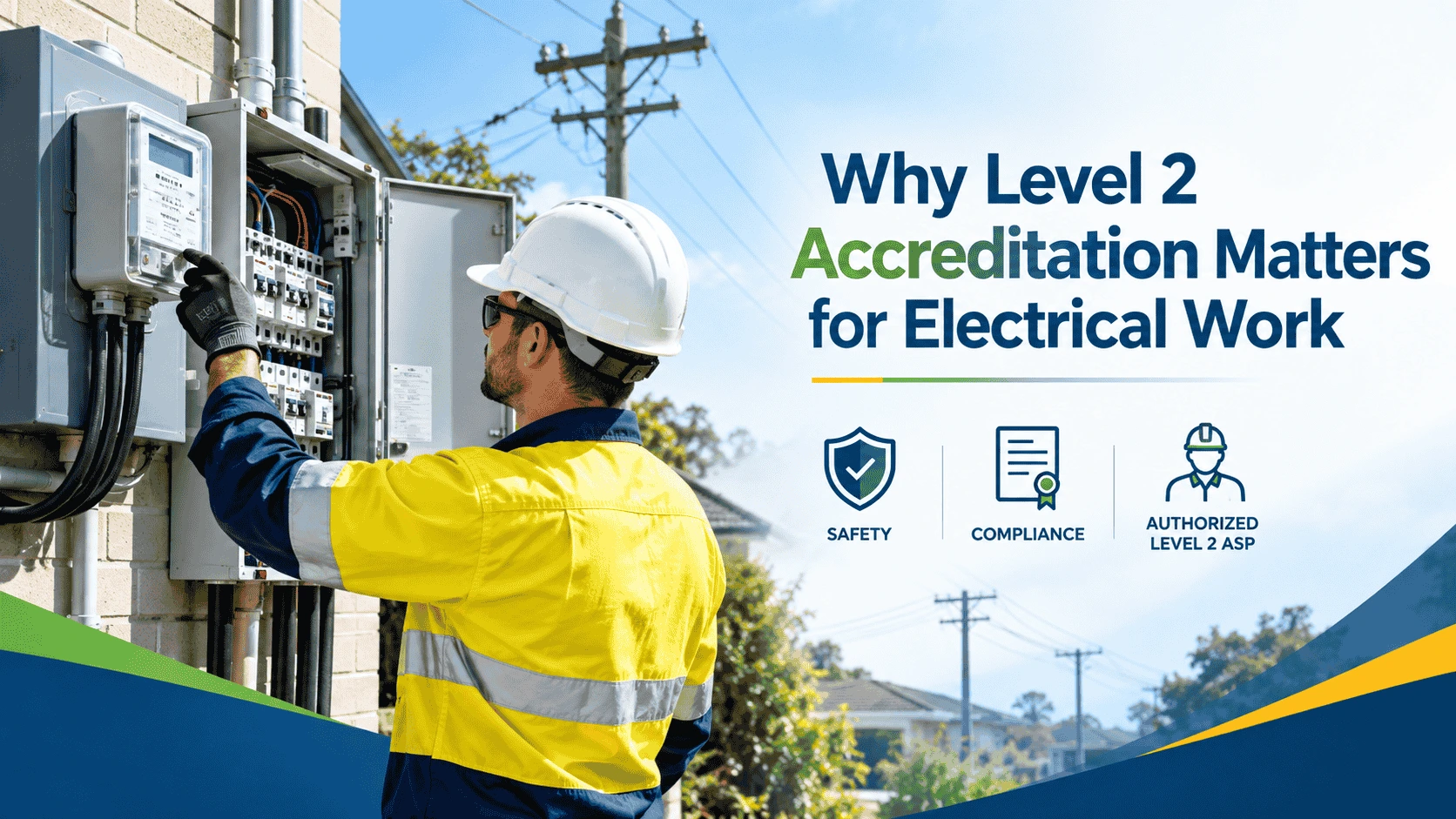
- You hire a Level 2 ASP electrician to replace the switchboard.
- The new board receives a Certificate of Compliance for Electrical Work (CCEW).
- The smart meter is installed.
Who pays? The property owner covers the switchboard upgrade, not the energy retailer.
Let’s get started!
Transparent Cost Breakdown: What Does a Sydney Switchboard Replacement Cost?
The cost of upgrading an outdated electrical panel in Sydney varies depending on circuit complexity, accessibility, asbestos content, and whether supply mains require replacement.
| Upgrade Component | Typical Price Range (AUD) | Key Cost Factors |
| Standard 12 to 18-Way Switchboard Upgrade | $1,500 – $2,500 | Includes new enclosure, main switch, and individual RCBO circuit breakers. |
| Licensed Asbestos Panel Removal & Disposal | $500 – $1,500 | Hazardous containment, certified disposal, and official air monitoring fees. |
| Level 2 ASP Consumer Mains Upgrade | $1,200 – $3,000 | Required when incoming overhead or underground cables are undersized. |
| 3-Phase Power Upgrade Transition | $3,000 – $5,500 | Converts single-phase supply to 3-phase for large EV chargers and ducted AC. |
The Hidden Cost Warning: Pre-Existing Wiring Faults
When an old ceramic fuse panel is replaced with modern RCBO safety switches, the new sensitive electronic switches actively monitor earth-leakage currents across every circuit. In older homes, these sensitive devices frequently detect pre-existing structural wiring defects that ceramic fuses ignored for decades, such as:
- Crossed Neutrals: Situations where neutral wires from two separate circuits were joined together inside junction boxes by previous tradespeople.
- Damp External Outlets: Moisture entering garden lighting or outdoor general purpose outlets.
- Nail-Damaged Cables: Picture hooks or nails driven into wall cavities that nicked internal cable insulation without causing an immediate short circuit.
Rectifying these underlying wiring faults requires methodical diagnostic testing after the new panel is mounted. Homeowners should anticipate potential additional diagnostic labor charges ranging from $200 to $1,000 if legacy wiring defects are detected during final commissioning.
Frequently Asked Questions About Sydney Switchboard Safety
How do I know if my Sydney switchboard contains dangerous asbestos?
Panels installed before 1990 with a dark, pitch-like backing board, often stamped Zelemite or Lebah, may contain asbestos. A licensed electrician can inspect the board and arrange lab testing if needed.
Can I legally refuse a smart meter switchboard upgrade in NSW?
You can decline a voluntary upgrade, but not a mandatory one when your meter fails, reaches end of life or you install solar. If the installer flags your panel as unsafe, you must upgrade it to stay connected.
What is a CCEW certificate and why do I need one after an upgrade?
A CCEW (Certificate of Compliance for Electrical Work) is a legal document your electrician must issue after major work like a switchboard replacement. It confirms the work meets AS/NZS 3000 and goes to you and your network distributor.
What is the difference between a standard electrician and a Level 2 ASP electrician?
A standard electrician handles internal wiring, power points, lighting and basic switchboards. A Level 2 ASP is accredited to work on the distribution network, including service fuses, overhead consumer mains and the point of attachment.
How long does a switchboard upgrade take, and will my power be off?
Most residential upgrades take 4 to 8 hours, and your main power is isolated throughout. Power is restored once testing is complete.
Protect Your Sydney Home: Upgrade to an AS/NZS 3000 Compliant Board Today
An outdated electrical switchboard is an unmonitored risk to your property’s safety, family health, and financial security. Relying on ceramic fuses, degraded VIR wiring, or hazardous asbestos panels in an era of high electrical demand exposes your household to unnecessary fire hazards and unexpected power failures. Upgrading your electrical infrastructure ensures complete compliance with modern AS/NZS 3000 safety standards, provides comprehensive RCBO protection against electric shock, and prepares your property for high-demand modern technology.
If your property retains an aging fuse box, has been issued a network defect notice, or requires a safety audit before installing an EV charger or solar power system, contact Top Electricians today. Our accredited team delivers thorough safety inspections, licensed asbestos management, and full Level 2 ASP panel replacements across Greater Sydney.
We deliver fast, reliable electrical services all across Sydney, including Central Sydney, Eastern Suburbs, Northern Suburbs, Southern Suburbs and Western Suburbs, with Sydney-wide electrician coverage and Level 2 services available 24/7.