
The lights go out, and your first instinct is usually the same: is this happening to the whole street, or is it just my house? Understanding the difference between a Power Outage vs Electrical Fault isn’t just useful trivia, it directly affects what you should do next, who you should call, and how urgently you need to act.
At Top Electricians Sydney, this is one of the most common questions we field on emergency calls, so here’s a clear breakdown of what separates the two, and how to tell which one you’re actually dealing with.
What Is a Power Outage?
A power outage, sometimes called a blackout, is a loss of electricity supply from the grid itself, meaning the problem originates outside your property, not within your home’s wiring. In the Power Outage vs Electrical Fault comparison, outages are almost always caused by something happening at the network level:
- Storm or weather damage, such as high winds bringing down power lines or lightning strikes affecting local infrastructure
- Equipment failure at a substation or on the local network
- Grid overload, particularly during extreme heat when air conditioning demand spikes across an entire area
- Planned maintenance, scheduled by your network distributor and usually communicated in advance
In Sydney, your power is supplied through one of two main network distributors depending on your location, Ausgrid or Endeavour Energy, and outages are generally their responsibility to resolve, not something an electrician can fix directly at the source.
Outages are also categorised by type. A transient fault is a brief loss of power, often caused by a short circuit or flashover on the network, that resolves automatically once cleared. A brownout is a partial voltage drop rather than a complete loss, sometimes noticeable as dimming lights. A full blackout is the complete, sustained loss of power to a wider area, and in extreme cases, utilities may implement a rolling blackout, deliberately cutting power to different areas in rotation when demand outstrips supply.
What Is an Electrical Fault?
An electrical fault, by contrast, originates within your property’s own wiring, switchboard, or connected equipment. This is the core distinction in any Power Outage vs Electrical Fault situation: a fault is a problem inside your home, not a network-wide event.
Common types of electrical faults include:
- Short circuits, where electricity takes an unintended path, often causing an immediate trip of a circuit breaker or safety switch
- Overloaded circuits, typically from too many appliances drawing power through a single circuit at once
- Earth faults, where current leaks to earth unexpectedly, usually triggering an RCD (safety switch) to cut power as a protective measure
- Old or deteriorating wiring, common in older Sydney homes, which can develop faults over time as insulation breaks down
- Faulty appliances, which can trip a circuit or, in more serious cases, pose a fire risk
Unlike a network outage, an electrical fault is usually isolated to your property, and it requires a licensed electrician to properly diagnose and repair, since investigating or attempting to fix wiring issues yourself is both illegal in NSW and genuinely dangerous.
How to Tell Which One You’re Dealing With
The fastest way to settle a Power Outage vs Electrical Fault question is a simple check:
- Look outside. If your neighbours’ lights are also off, or streetlights nearby are out, it’s very likely a network-wide outage rather than an issue specific to your home.
- Check your provider’s outage map. Both Ausgrid and Endeavour Energy publish live outage maps online, letting you confirm whether an outage has already been reported in your area before calling anyone.
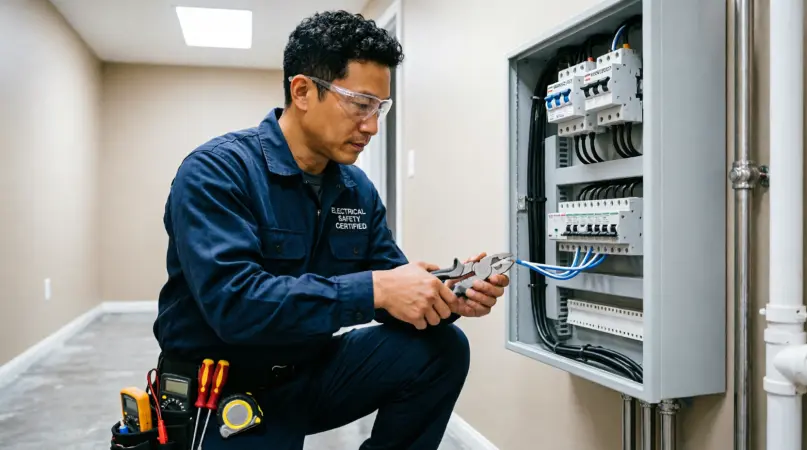
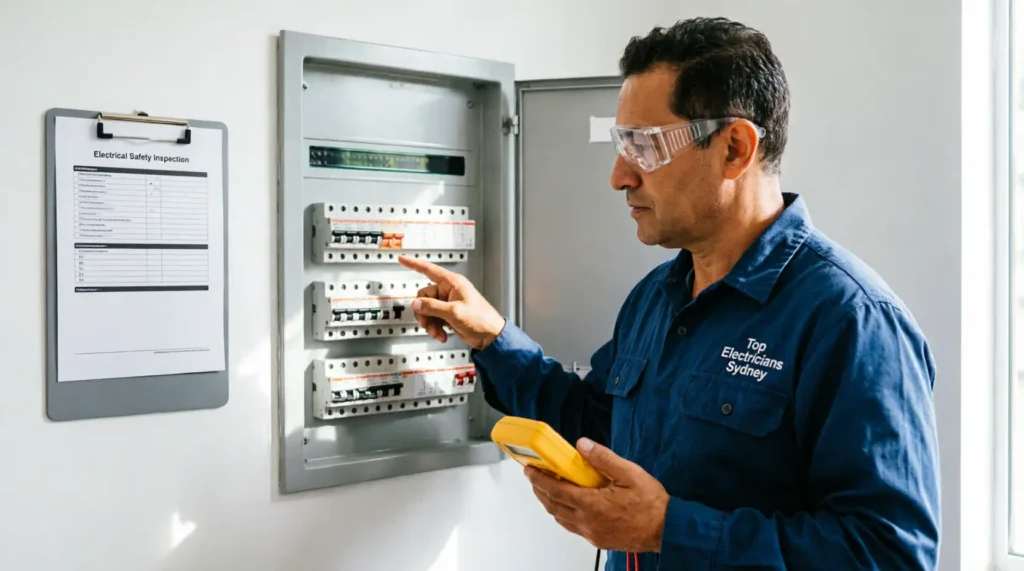
- Check your switchboard. If neighbouring properties still have power but yours doesn’t, check whether your main switch, a circuit breaker, or an RCD has tripped. A tripped breaker that won’t reset, or one that trips again immediately after resetting, points to an electrical fault rather than an outage.
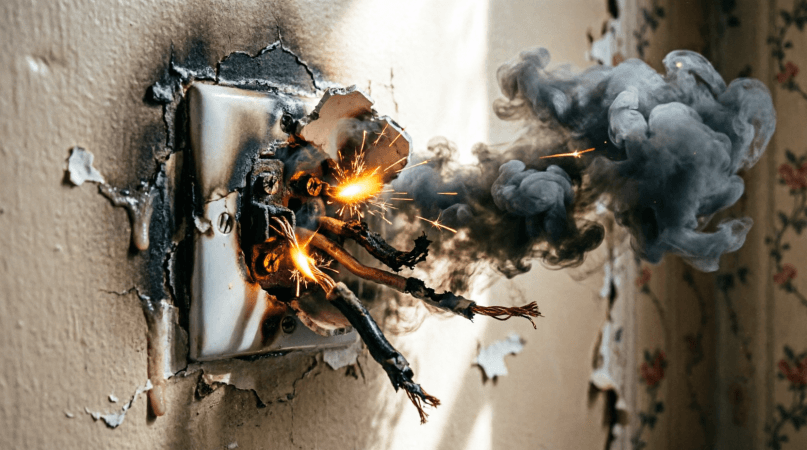
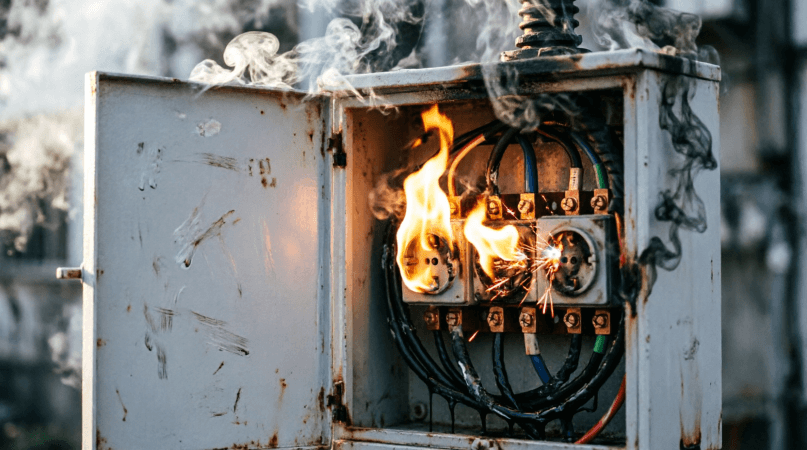
- Watch for warning signs. A burning smell, sparking outlets, visible scorch marks, or a switchboard that feels warm to the touch all indicate a fault, not an outage, and these situations call for an emergency electrician immediately.
What to Do in Each Situation
If It’s a Power Outage
- Report it to your network distributor (Ausgrid on 13 13 88, or Endeavour Energy for their network area) if it hasn’t already appeared on their outage map
- Turn off or unplug sensitive electronics to protect them from a possible surge when power is restored
- Wait for restoration; this is a network issue outside an electrician’s direct control, though a licensed electrician can help afterward if any of your equipment was damaged
If It’s an Electrical Fault
- Do not attempt to investigate or repair the issue yourself
- If you notice burning smells, sparking, or visible damage, treat it as an emergency and call a licensed electrician immediately
- If a safety switch has tripped and won’t reset, or trips again right away, this indicates an active fault that needs professional diagnosis
- Avoid using the affected circuit or any appliances connected to it until it’s been properly assessed
Why Getting This Right Matters
Confusing a Power Outage vs Electrical Fault situation isn’t just an inconvenience, it can genuinely delay the right response. Calling your energy provider about what’s actually a wiring fault in your home wastes time while the underlying issue, potentially a fire risk, goes unaddressed. Conversely, calling an emergency electrician for a confirmed network-wide outage means paying for a call-out that can’t actually resolve the problem, since the fault sits outside your property on infrastructure only your distributor can access.
Our emergency electrician guide covers this distinction in more detail, including what genuinely counts as an electrical emergency versus something that can wait for standard business hours.
Frequently Asked Questions
Can a power outage damage my home’s electrical system?
Yes, particularly when power is restored suddenly after an outage, which can occasionally cause a voltage surge that damages sensitive electronics. Unplugging valuable equipment during an outage is a simple way to reduce this risk.
Who do I call for a suspected electrical fault versus a power outage?
For a confirmed area-wide outage, report it to your network distributor, Ausgrid or Endeavour Energy depending on your location. For anything isolated to your property, including a tripped safety switch that won’t reset or any burning smell, call a licensed emergency electrician straight away.
Why does my safety switch keep tripping even though the power seems fine elsewhere?
This is a strong sign of an electrical fault rather than an outage, typically an earth fault, overloaded circuit, or a faulty appliance connected to that circuit. It requires a licensed electrician to properly diagnose rather than repeatedly resetting the switch.
Is it ever both a power outage and an electrical fault at the same time?
Occasionally, yes, particularly after storm damage, where a network outage coincides with damage to your property’s own wiring or equipment. If power is restored to your street but not your home, that’s a clear sign a separate fault exists at your property.
Get the Right Help, Fast
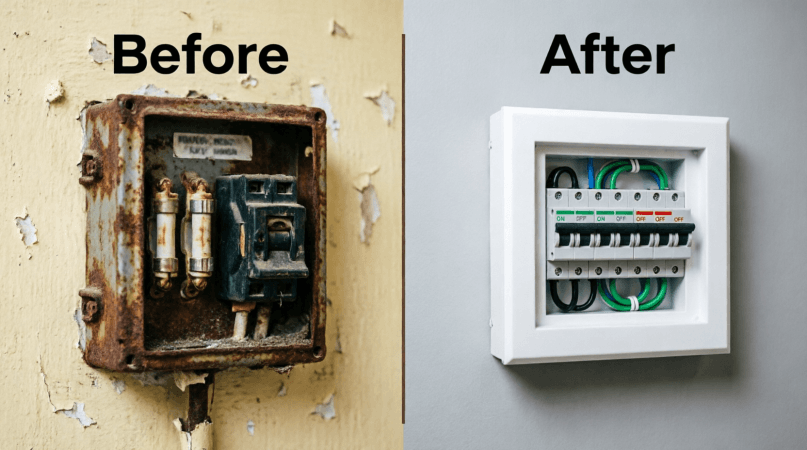
Whether you’re dealing with a genuine Power Outage vs Electrical Fault situation, knowing the difference helps you respond correctly and avoid unnecessary delays. For issues isolated to your property, our team is available for emergency electrical callouts across Greater Sydney, and our guide on who to call during a power outage covers this in more depth. If your switchboard is the recurring source of tripped circuits, it may be time for a switchboard upgrade.
Contact Top Electricians Sydney today, available 24/7 for genuine electrical emergencies across Greater Sydney.