
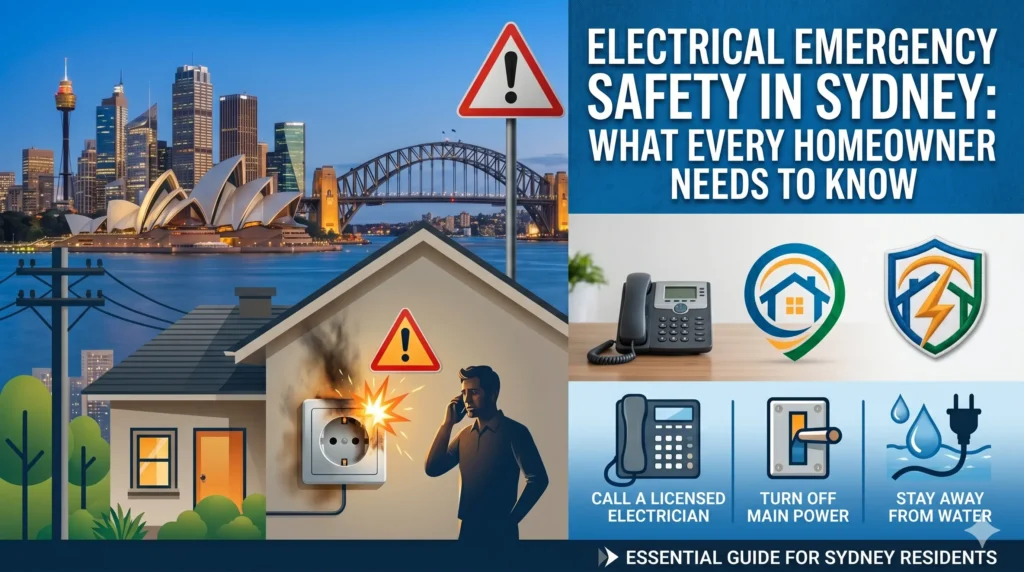
Electrical emergencies are unpredictable. A burning smell near a switchboard, a sparking power point during a storm, or a sudden power outage late at night, these situations demand immediate, informed action. Understanding what qualifies as an electrical emergency and knowing how to respond can be the difference between a manageable incident and a catastrophic one.
At Top Electricians Sydney, our licensed Level 2 electricians are available 24/7 across Greater Sydney to respond to urgent electrical faults, storm damage, and switchboard failures, often on the same day.
What Qualifies as an Electrical Emergency?
An electrical emergency is any situation that poses an immediate risk to life, property, or critical infrastructure. This includes live exposed wires, smoke or burning smells from outlets, sparking appliances or switchboards, and complete power loss under certain conditions particularly where medical equipment is involved or the situation occurs during extreme weather.
Unlike routine electrical faults that can wait for a scheduled appointment, emergencies can escalate rapidly. A slight burning odour near your fuse box may indicate overheating insulation or faulty connections a fire risk that cannot be left until morning. If there is any reasonable concern about electrocution, fire, or significant equipment failure, treat the situation as an emergency and contact a licensed emergency electrician immediately.
Let’s get started!
Common Electrical Emergencies Across Greater Sydney
Greater Sydney’s combination of ageing residential infrastructure, urban density, and severe weather conditions makes it particularly susceptible to a range of electrical emergencies.
Power Outages
While a power outage may not always appear urgent, it can quickly become a safety concern especially at night, during extreme heat or cold, or when residents rely on electricity for medical devices. Outages isolated to a single property usually indicate a fault at the meter, fuse box, or within the internal wiring, all of which require a licensed electrician to investigate.
Widespread outages are typically caused by faults in the local grid, storm damage, or planned maintenance by energy providers such as Ausgrid (131 388) or Essential Energy (132 080). If you are unsure whether the outage is property-specific or area-wide, check your energy provider’s online outage map before calling. If the issue is isolated to your property, contact a licensed emergency electrician straight away.
Storm and Flood-Related Electrical Damage
Sydney storms regularly bring lightning, flash flooding, and high winds all of which can cause serious damage to electrical systems. Water entering outlets, appliances, or switchboards can cause short circuits, while lightning strikes may trigger voltage surges that damage wiring throughout a property.
Floodwater is especially dangerous because water conducts electricity. If water reaches power outlets, live wires, or appliances, the risk of electrocution is severe. If it is safe to do so, turn off the electricity at the main switchboard before water levels rise. Never wade through water to reach a switchboard if it is submerged or surrounded by water, wait for emergency services or a qualified electrician.
The NSW State Emergency Service (SES) advises all residents to treat any electrical installation in a flooded area as live and potentially dangerous until a licensed professional has assessed and cleared it.
Fallen Powerlines and Tree Damage
Storms frequently bring down trees and branches onto overhead powerlines across Sydney suburbs. This can disrupt electricity supply and, more critically, leave live wires exposed on roads, footpaths, driveways, and lawns.
If you see a fallen powerline or a tree resting on electrical cables, stay at least 8 metres away, even if the lines appear inactive, they may still carry voltage. Do not approach the area, drive over powerlines, or attempt to move debris. Call 0431460141 immediately if there is a fire risk or danger to life. For other situations, contact the NSW SES on 132 500.
SafeWork NSW reminds all residents that powerlines can arc electricity through the air under certain conditions. Never assume a downed line is safe. Always treat it as live.
Smoke or Burning Smells from Outlets or Switchboards
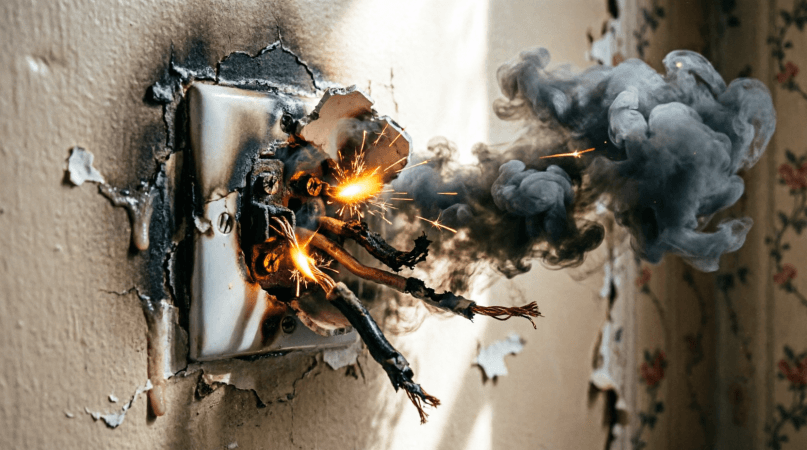
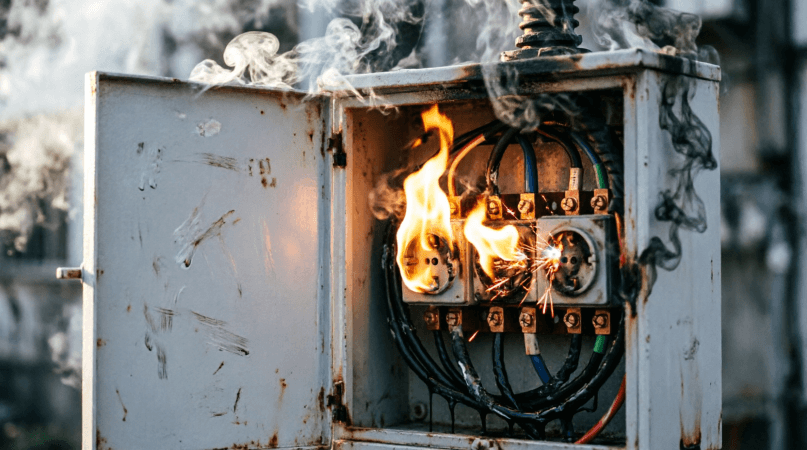
A burning smell near a power point or your switchboard is a serious warning sign. It may indicate overheating wires, faulty connections, or an overloaded circuit all of which can lead to electrical fires. In some cases, a voltage surge caused by a lightning strike can arc inside the home’s wiring without tripping the circuit breaker.
If you detect smoke, charring, or the persistent smell of burning plastic near any electrical fitting, evacuate the affected area, avoid operating nearby switches or appliances, and call a licensed emergency electrician immediately.
Sparking Switchboards or Appliances
Sparks from a switchboard, wall outlet, or appliance signal a serious electrical fault. Common causes include water infiltration during rain, ageing components, overloaded circuits, or deteriorating insulation. Flickering lights and a buzzing switchboard are often early warnings of an escalating problem.
If it is safe to do so, turn off the main power switch and contact a licensed emergency electrician without delay. Do not attempt to investigate or repair the fault yourself.
Why DIY Electrical Repairs Are Never Safe
Electrical systems are complex, and unlicensed repairs carry a high risk of electrocution, fire, and long-term damage to your property’s wiring. Under NSW law, only licensed electricians are legally permitted to carry out electrical work. Attempting to reset a circuit breaker, rewire a switch, or investigate a switchboard fault without proper qualifications is not only dangerous it may also void your insurance.
If you are unsure whether a situation is safe, the only correct course of action is to contact a licensed professional.
What to Do When the Power Goes Out
1. Check Your Switchboard First
Look for any tripped circuit breakers or a safety switch that has been triggered. If the safety switch has turned off, it may indicate a fault in an appliance or a circuit overload. You can attempt to reset it once but only once. If it trips again immediately, leave it off and call a licensed electrician.
Never touch your switchboard if water is nearby, you can smell burning, or you hear a buzzing sound. These are signs of a potentially serious fault.
2. Check Whether It Is a Neighbourhood-Wide Outage
If your switchboard appears normal but the property has no power, check whether your neighbours are also affected. Darkened streets and non-functioning traffic lights typically indicate a local network fault rather than an issue within your home.
3. Contact Your Energy Provider
If the outage is not listed on your provider’s outage map, report it directly. Ausgrid (131 388) manages most of Greater Sydney, while Essential Energy (132 080) covers regional and outer suburban areas. They can confirm whether the issue is on the supply side or within your property.
4. If in Doubt, Call a Licensed Emergency Electrician
Even a seemingly minor outage may indicate an underlying fault in your switchboard or wiring. A licensed emergency electrician can attend quickly, assess the situation safely, and restore power if the fault is property-specific.
Electrical Safety During Storms and Floods
Turn Off Power at the Main Switchboard
If floodwaters are approaching or entering your property and it is safe to reach the switchboard, switch off the mains before water levels rise. Never touch wet switches, damp outlets, or submerged appliances.
Use Waterproof Torches, Not Candles
Candles pose a significant fire risk during storms, particularly near leaking gas or wet surfaces. Use battery-operated torches or lanterns instead. Keep them in an accessible location with spare batteries as part of your emergency kit.
Keep Phones and Power Banks Charged
Severe weather events are often forecast in advance. If a storm or flood warning is issued for your area, charge devices and power banks ahead of time. A charged phone allows you to contact emergency services, monitor weather alerts, and reach your emergency electrician when needed.
Keep Children and Pets Away from Affected Areas
Children and pets are unlikely to recognise exposed cables, fallen wires, or damaged appliances as hazards. Establish a clear no-go zone in any area affected by electrical damage and ensure all family members understand which areas to avoid.
Electrical Emergencies in Apartments vs Standalone Homes
Electrical emergencies present different challenges depending on your property type.
In apartment buildings, meter rooms and main switchboards are often locked and managed by strata or building management, which can delay emergency access. Shared circuits also mean that a fault in one unit can affect multiple apartments simultaneously. If your power is out while your neighbours’ lights remain on, the fault is likely internal to your unit and requires an emergency electrician.
Strata committees and property managers should maintain an up-to-date list of 24-hour emergency electrician contacts. Tenants should also save these numbers independently for after-hours incidents. If you notice smoke, sparking, or burning smells in common areas, evacuate immediately, call 0431460141, and notify building management.
As a general rule, faults inside your unit, including power points, internal wiring, and appliances, are the responsibility of the landlord or tenant. Issues with main switchboards or common-area wiring are typically the strata’s responsibility.
Emergency Kit: What to Prepare Before a Crisis Hits
Every household in Greater Sydney should maintain an emergency kit in case of outages or evacuation. Electrical emergencies can occur rapidly and without warning, particularly during severe weather.
Essential items to include:
- Waterproof torch and spare batteries. Never use candles near electrical faults
- Battery-powered or wind-up radio for emergency broadcasts during outages
- A portable power bank to keep your phone charged when mains power is unavailable
- First aid kit for treating minor injuries before help arrives
- At least three litres of drinking water per person per day
- Essential medications: a minimum three-day supply for all household members
- Copies of important documents, insurance policies, identification, and medical records
- Cash, EFTPOS and ATMs may be unavailable during extended outages
- Gloves and sturdy footwear for protection if evacuation is necessary
Store your kit in a dry, clearly marked, and easily accessible location. Check and update the contents every six months.
After the Emergency: Long-Term Electrical Safety
Once the immediate danger has passed, a few proactive steps can significantly reduce the risk of future incidents:
- Book a switchboard and wiring inspection with a licensed electrician to identify any hidden damage or deterioration
- Install surge protection to guard against voltage spikes caused by lightning or grid fluctuations
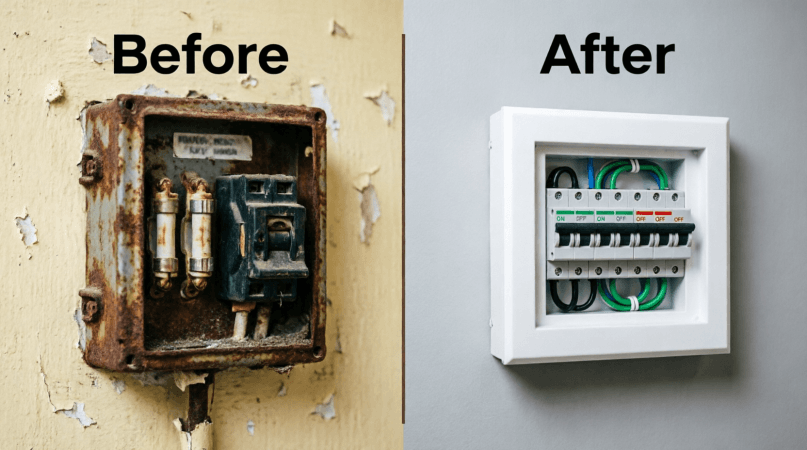
- Upgrade ageing wiring if your property still has older systems that are not designed for modern electrical loads
- Schedule regular safety inspections to ensure your electrical system remains compliant with current standards
Taking these steps now can prevent far more serious and costly emergencies later.
24/7 Emergency Electrical Services Across Greater Sydney
When an electrical emergency hits, every minute counts. Our licensed Level 2 electricians at Top Electricians Sydney are on call 24/7 across Greater Sydney, ready for storm damage, switchboard faults, power outages, fallen powerlines, and other urgent electrical hazards.
We keep things transparent: upfront, obligation-free pricing before any work starts, clear updates as we go, and direct coordination with Ausgrid or Essential Energy whenever network-level work is needed.
Electrical danger doesn’t wait, so don’t either. Contact us now for fast, expert help you can trust.