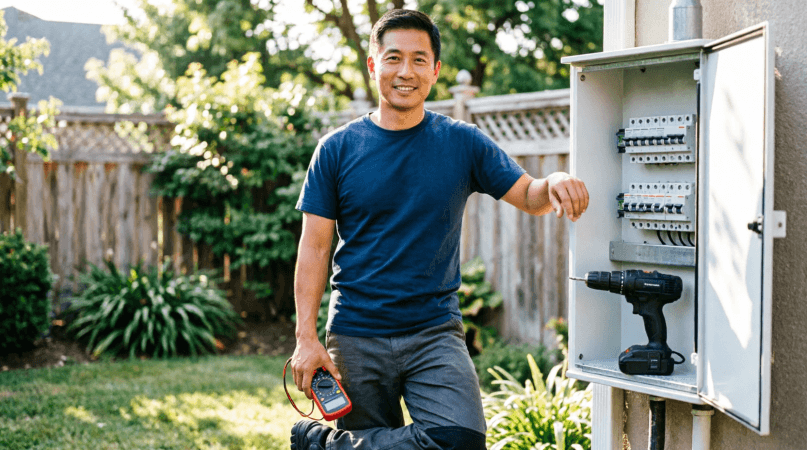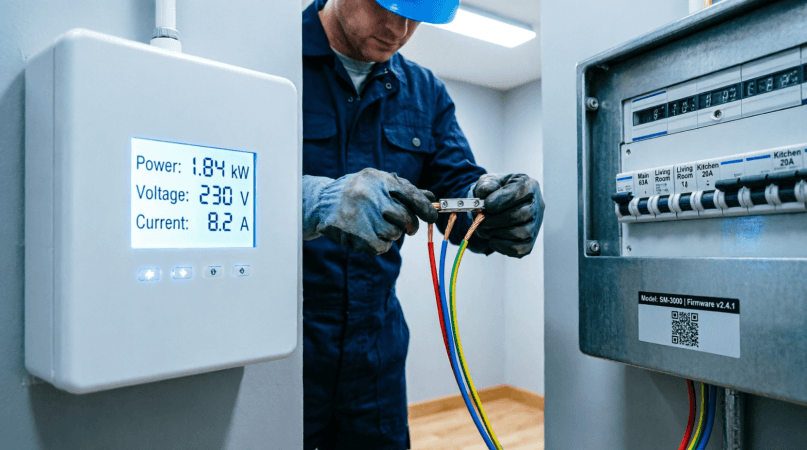

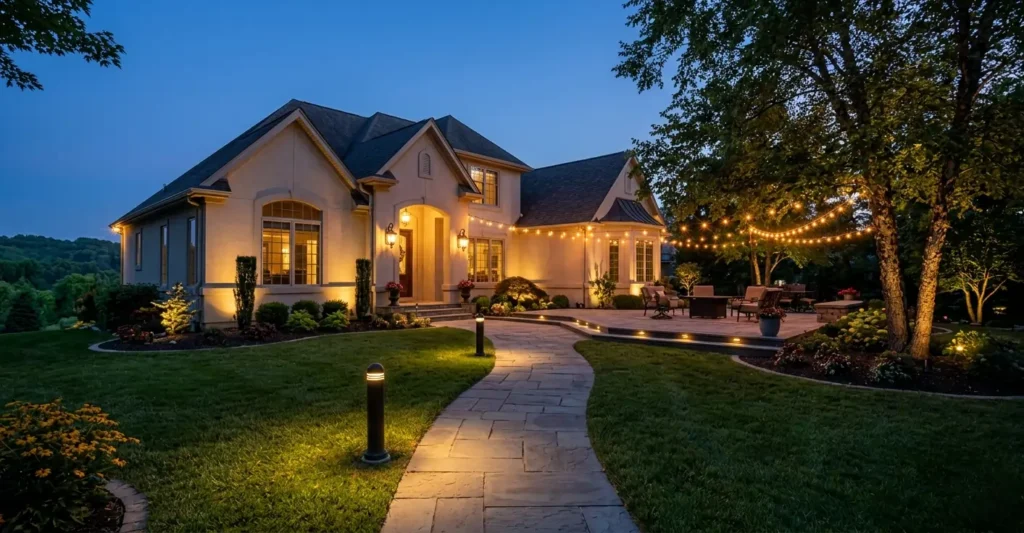
Top Electricians Sydney provides professional outdoor and security lighting installation services for homes and businesses across Sydney. Our licensed electricians can assist with LED floodlights, motion sensor lights, garden lighting, pathway lighting and complete exterior lighting upgrades. We focus on safe installation, practical lighting design and reliable electrical workmanship, with 24/7 emergency electrical services and Level 2 services available when required.
Whether you want to improve visibility around your driveway, make pathways safer at night or replace outdated outdoor lights, our team can assess your property and recommend a suitable lighting solution.
Outdoor lighting can improve more than the appearance of your property. The right lighting can make entrances, pathways and driveways easier to navigate, improve visibility around your home and complement your existing security system.
For Sydney homeowners, choosing a fitting is only part of the job. Outdoor lighting also requires suitable wiring, weather protection, sensor positioning and electrical safety considerations.
This guide explains the main outdoor lighting options, installation process, costs and important NSW electrical requirements.
What is outdoor and security lighting installation?
Outdoor lighting installation involves installing electrical light fittings in exterior areas such as gardens, driveways, entrances, pathways, garages and entertaining areas.
Common options include:
- LED floodlights
- Motion sensor lights
- Garden and landscape lighting
- Path and step lights
- Wall-mounted lights
- Security spotlights
- Deck and alfresco lighting
- Dusk-to-dawn lighting
Security lighting has a more specific purpose. It provides visibility around areas such as doors, gates, driveways and side access while helping homeowners monitor activity after dark.
If lighting is connected to the property’s fixed electrical wiring, the work should be completed by a licensed electrician in NSW.
Why Do Sydney Homes Need Outdoor and Security Lighting?
Sydney properties have very different layouts. Inner-city terraces may have narrow side passages, while suburban homes can have large driveways, gardens and backyards.
A properly planned lighting system can address these different requirements while improving visibility and usability.
Safety, deterrence, and property value explained
Outdoor lighting can provide several practical benefits:
- Improved safety: Lighting steps, paths and driveways helps people see where they are walking.
- Better visibility: Illuminated entrances and access points are easier to monitor at night.
- CCTV support: Suitable lighting can help security cameras capture clearer images after dark.
- Outdoor usability: Decks, patios and entertaining areas can be used more comfortably at night.
- Appearance: Landscape and architectural lighting can highlight gardens and exterior features.
More brightness is not always better. Good lighting should provide useful coverage without creating excessive glare or unnecessary light spill.
What Are the Different Types of Outdoor Lighting You Can Install?
Different parts of a property require different lighting solutions.
Floodlights, path lights, garden lights, spotlights, and deck lights
Floodlights: Provide broad illumination for driveways, backyards, garages and larger outdoor areas.
Path and step lights: Provide low-level lighting around walkways, stairs and garden paths.
Garden and feature lights: Highlight trees, landscaping, walls and architectural features.
Spotlights: Provide focused illumination for entrances, signage, trees or specific areas.
Deck and alfresco lights: Improve visibility around outdoor entertaining spaces while creating a comfortable atmosphere.
A licensed electrician can help determine which combination provides appropriate coverage for your property.
What Is Security Lighting and How Does It Work?
Security lighting focuses on visibility and controlled activation rather than decoration alone.
A simple system may use a motion sensor connected to an outdoor floodlight. More advanced systems can combine lighting with CCTV cameras, timers and smart controls.
Motion sensor lights, dusk to dawn lights, and timed exterior lighting
- Motion-activated lights: Switch on when movement is detected and are useful around gates, garages and entrances.
- Dusk-to-dawn lights: Automatically operate when it becomes dark and switch off during daylight.
- Timed lighting: Operates according to a programmed schedule.
- Smart lighting: Can provide app-based control and integration with compatible home automation systems.
The right option depends on your property’s layout, security requirements and how the outdoor area is used.
What Is the Best Type of Motion Sensor for Outdoor Security Lights?
There is no single sensor that works best for every property.
The surrounding environment, detection area, nearby traffic, pets and landscaping can all affect performance.
PIR sensors, microwave sensors, and dual technology sensors explained
PIR sensors detect changes in infrared energy caused by movement. They are commonly used for residential outdoor lighting.
Microwave sensors use electromagnetic waves to detect movement and can be suitable for certain larger or more complex areas.
Dual-technology sensors combine different detection methods and can help reduce unwanted activations in some environments.
Correct positioning is just as important as the sensor type. An electrician can adjust the detection zone to reduce activation from passing vehicles, pets or nearby activity.
Where Should Outdoor and Security Lights Be Installed on a Sydney Property?
Start with areas where people enter, walk or require additional visibility after dark.
Entry points, driveways, side access, backyards, and gardens
Consider installing lighting around:
- Front and rear entrances for visibility around doors and steps
- Driveways and garages for safer vehicle access
- Side gates and pathways to reduce dark areas
- Backyards and entertaining areas for practical evening use
- Garden paths and stairs to improve visibility
Lights should be positioned carefully to avoid excessive glare or shining directly into neighbouring properties.
Can I Install Outdoor Lights Myself in NSW?
If an outdoor light connects to your property’s fixed electrical wiring, it should not be treated as a DIY electrical project.
What the law says about DIY electrical work in Australia
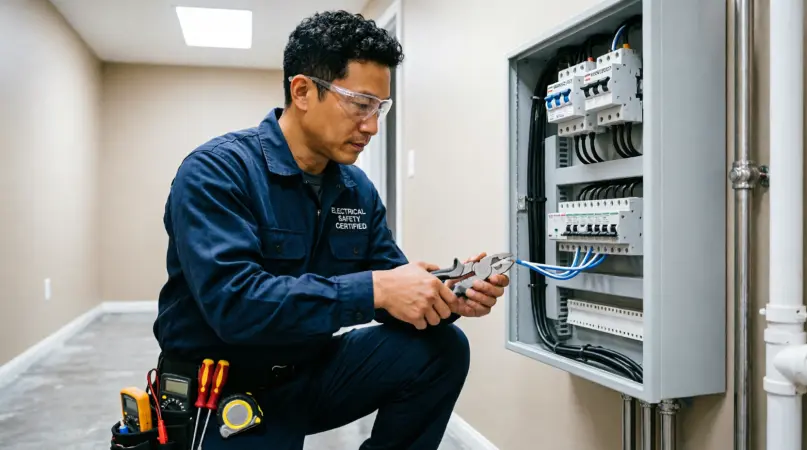
Electrical wiring work in NSW must be performed by an appropriately licensed electrician. This can include installing or modifying hardwired outdoor lights, switches and circuits.
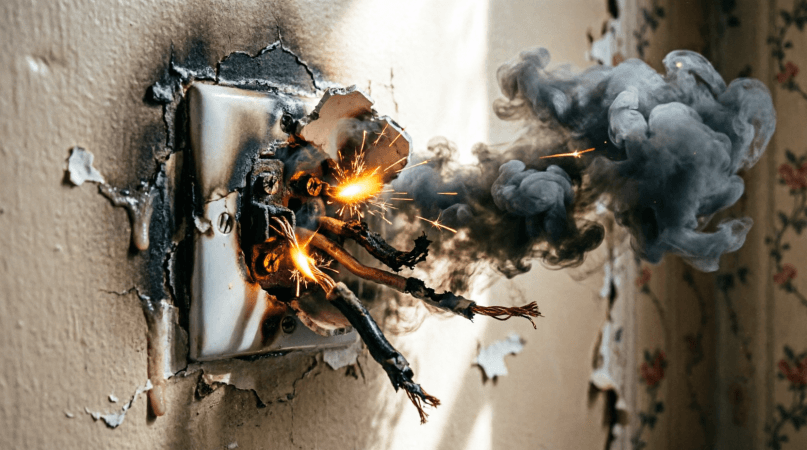
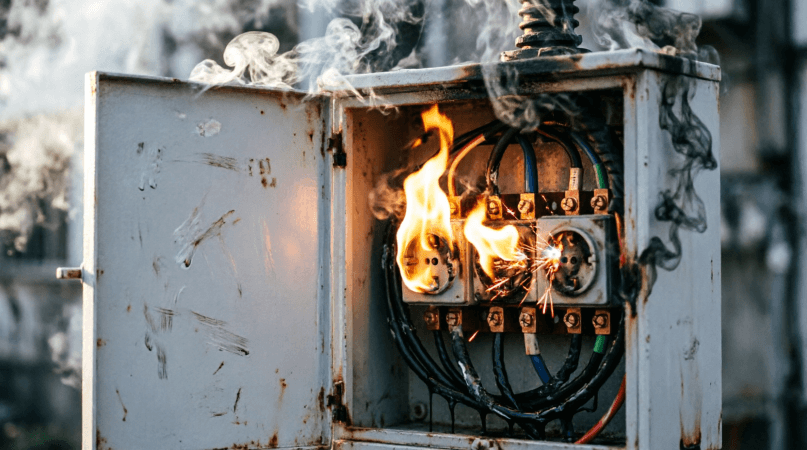
DIY electrical work can create risks including electric shock, fire and incorrect circuit protection.
For hardwired outdoor lighting, use a licensed electrician and retain the relevant compliance documentation after the work is completed.
What Australian Standards Apply to Outdoor Lighting Installation?
Outdoor lighting forms part of an electrical installation, so appropriate Australian electrical requirements need to be considered.
AS/NZS 3000:2018, IP ratings, and RCD requirements explained
AS/NZS 3000:2018, commonly known as the Wiring Rules, is a key standard for electrical installations in Australia.
Depending on the installation, an electrician needs to consider:
- Cable selection
- Wiring methods
- Earthing
- Circuit protection
- RCD protection
- Environmental conditions
- Equipment suitability
- Testing and certification
The appropriate protection depends on the installation and equipment being used.
What Is an IP Rating and Why Does It Matter for Outdoor Lights?
Outdoor fittings are exposed to rain, humidity, dust, UV exposure and changing temperatures.
The IP rating, or Ingress Protection rating, indicates how effectively a fitting is protected against the entry of solids and water.
Understanding weatherproof ratings for exterior fixtures
The appropriate rating depends on the exact installation location.
A light installed underneath a protected verandah may face different conditions from a fitting mounted on a fully exposed external wall.
Your electrician should select fittings suitable for the environment and install them according to the manufacturer’s requirements.
LED vs Halogen vs Solar: Which Outdoor Lighting Is Best for Sydney?
LED is a practical choice for many new outdoor lighting installations because it offers low energy consumption, long service life and a wide range of fixture options.
Energy efficiency, lifespan, and cost comparison
| Feature | LED | Halogen | Solar |
| Energy use | Low | High | No mains energy during operation |
| Heat output | Low | High | Generally low |
| Maintenance | Low | Higher | Battery maintenance may apply |
| Light consistency | Consistent | Consistent | Weather dependent |
| Best use | Most hardwired lighting | Older systems | Selected garden/path areas |
Solar lighting can be useful where running new electrical wiring is impractical, although performance depends on sunlight and battery capacity.
How Does a Licensed Electrician Install Outdoor and Security Lighting?
A professional installation begins with assessing the property and determining the appropriate lighting layout.
Site assessment, wiring, circuit connection, and compliance check
- Site assessment: Identify access points, dark areas and suitable fixture locations.
- Lighting planning: Select suitable fixtures, sensors and controls.
- Wiring: Install appropriate cabling and protection.
- Fixture installation: Secure and position lights correctly.
- Testing: Test the completed installation and safety devices.
- Compliance: Provide required electrical documentation where applicable.
This process helps ensure the finished system is safe, functional and suitable for the property.
How Much Does Outdoor Lighting Installation Cost in Sydney?
Outdoor lighting prices vary depending on the number of fixtures, wiring requirements, access and product selection.
As an indicative guide:
- Outdoor floodlight: $220–$450 installed
- Motion sensor security light: $300–$500 installed
- Landscape lighting package: $1,800–$3,200
- Underground cabling/trenching: $100–$200 per metre
These figures are planning estimates rather than fixed prices.
Factors that affect the price of outdoor lighting installation
The final cost can depend on:
- Number of fittings
- Existing wiring
- Cable distance
- Underground trenching
- Fixture quality
- Sensor and smart controls
- Switchboard capacity
- Property access
A site assessment is the best way to establish the actual scope and cost.
How Do I Know If My Outdoor Lighting Needs Upgrading?
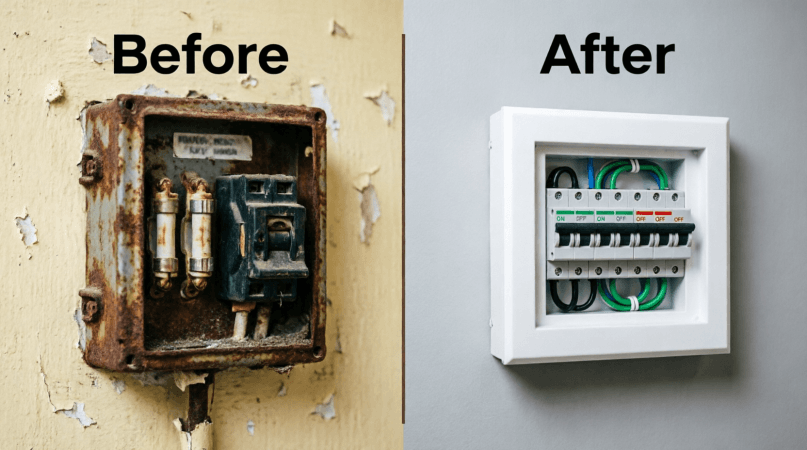
Older outdoor lighting can become inefficient, unreliable or unsuitable for modern requirements.
Signs your current outdoor lights are outdated or unsafe
Look for:
- Flickering lights
- Repeated circuit breaker trips
- Cracked or damaged fittings
- Corrosion
- Damaged wiring
- Water entering fixtures
- Faulty motion sensors
- Excessively hot halogen lights
- Poor visibility around steps and entrances
If an outdoor light repeatedly trips the circuit breaker, avoid repeatedly resetting it. Have the issue inspected by a licensed electrician.
Frequently Asked Questions
Do I need council approval for outdoor security lighting in Sydney?
Requirements can vary depending on the property and type of lighting. Larger projects or lighting that creates significant light spill may have additional planning considerations.
Can outdoor security lights be connected to my existing lighting circuit?
Possibly. An electrician should check the existing circuit, available capacity and protection before making changes.
How long does outdoor light installation take?
A small installation can often be completed quickly. Projects involving multiple fittings, new circuits or underground cabling may take longer.
What is the difference between a floodlight and a security light?
A floodlight describes a fixture that provides broad illumination. Security lighting describes the purpose of the lighting. A floodlight can therefore be used as a security light.
Can outdoor lighting be integrated with a home security camera system?
Yes. Lighting can be planned around CCTV coverage to improve visibility in important areas after dark.
Is it worth upgrading old halogen security lights to LED?
LED can reduce energy consumption and heat output compared with older halogen fittings. An upgrade is also a good opportunity to inspect the existing wiring and circuit protection.
Ready to Upgrade Your Outdoor and Security Lighting?
The right outdoor lighting system should balance safety, security, energy efficiency and appearance.
Whether you need a motion sensor floodlight, driveway lighting, garden lights, pathway lighting or a complete exterior upgrade, a licensed Sydney electrician can assess your property and recommend an appropriate solution.
Before work begins, ask about the lighting products, wiring requirements, circuit protection, installation cost and compliance documentation.
Ready to improve your property’s outdoor lighting? Contact Top Electricians Sydney for professional advice and a tailored quote for your Sydney property.