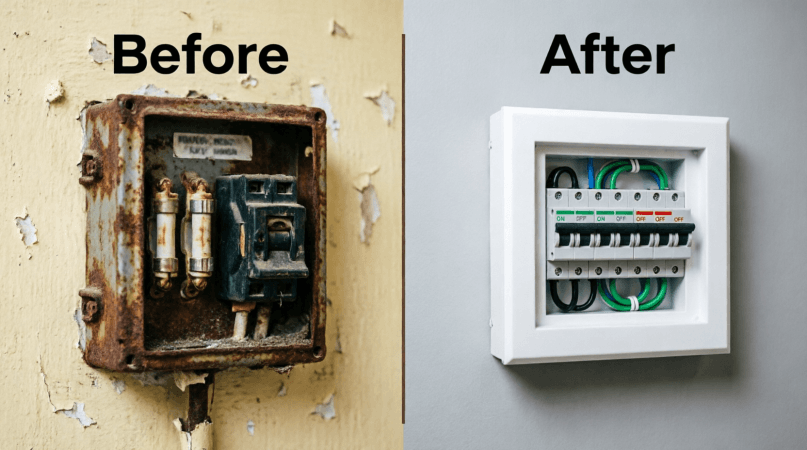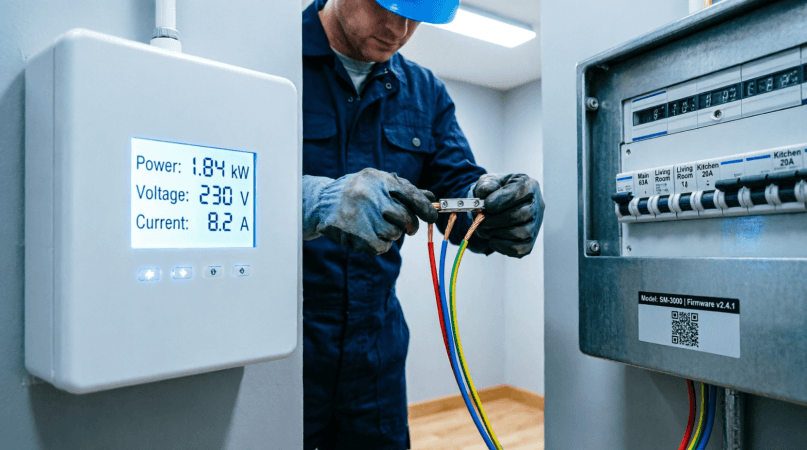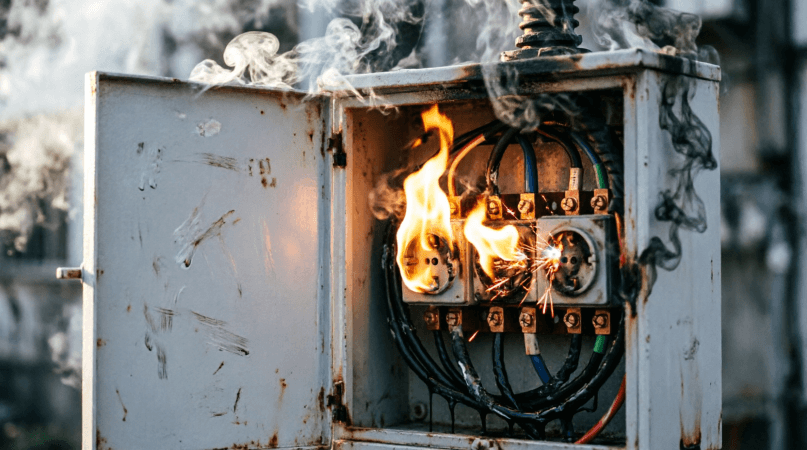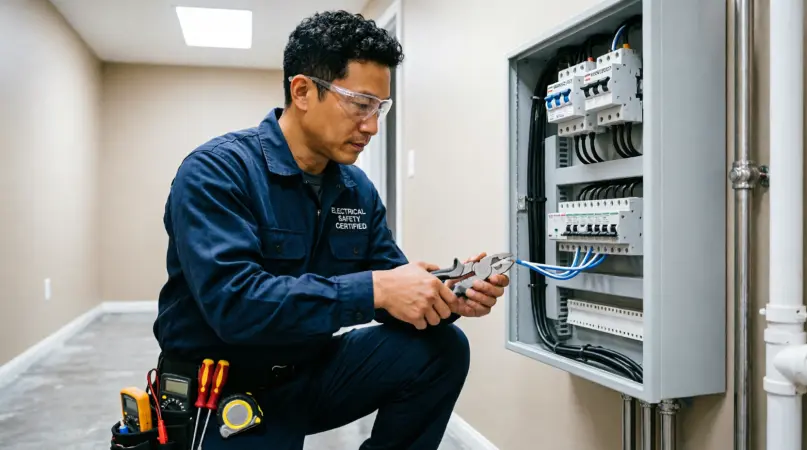


A renovation in Balmain should add value to your property. Instead, many homeowners find themselves facing blown budgets and delayed timelines because of one oversight. They treat electrical work as a secondary task rather than a foundational project. When you fail to integrate your electrical needs into the design phase, you invite expensive rework. You end up cutting into new plaster or moving fixtures because the system did not account for your power needs. This is the reality of poor project management. The right approach ensures your home remains compliant, efficient, and ready for modern life.
The Hidden Cost of Mismanaged Electrical Projects
The Home Building Act 1989 sets clear standards for safety and accountability in New South Wales. Despite this, many renovators hire tradespeople based on the lowest quote without verifying their scope of work. This leads to common failures. Projects often stall because the electrician lacks the proper licensing to sign off on specific tasks. You might find yourself with beautiful finishes but no power, or worse, wiring that does not meet current safety codes. Engaging in a risky electrical renovation means you face the possibility of insurance claims being denied later. If your contractor does not document their work according to legal standards, you carry the financial risk of every short circuit or fault that occurs after you move in.
The Renovation Timeline: When Your Electrician Actually Does the Work
Most homeowners mistakenly assume an electrician only arrives when the walls are finished to install light switches. This is the primary cause of project delays. You must treat electrical work as a three-phase process. Planning ensures that your walls, ceilings, and floors remain intact throughout the renovation.
| Renovation Phase | What the Electrician Does | When to Book |
| Consultation | Assess load, heritage constraints, and site layout. | Before council approval. |
| Rough-in | Install cabling, conduits, and back-boxes before plaster. | Before waterproofing/plastering. |
| Fit-off | Install fixtures, switches, and test the full system. | After all finishes/painting. |
Following this timeline prevents the most common renovation headache. You avoid the need to tear out expensive tiles or freshly painted plaster to run a forgotten cable. Booking your professional early allows for waterproofing-electrical coordination, which is critical for wet areas like bathrooms and kitchens.
Essential Criteria for Vetting Balmain Renovation Specialists
Not every licensed professional has the temperament or the specific experience for Balmain architecture. You need a partner who understands the difference between a modern apartment and a historic terrace. When interviewing candidates, ask these specific questions to filter your options.
- Are you familiar with the specific fire-rating requirements for ceiling roses and timber joists in Balmain terrace houses?
- Can you provide a clear sequence for how you coordinate the rough-in phase with the builder and plumber?
- How do you manage the risk of damaging original decorative features while installing modern wiring?
- Are you prepared to provide a detailed cost breakdown that accounts for potential load increases from new appliances?
Top Electricians operates with this project management focus. We understand that your renovation relies on a strict schedule. We prioritize clear communication to ensure that every stage of our work aligns with your builder and your design goals.
Navigating Heritage Approvals and Compliance Certificates
Balmain properties often sit within sensitive heritage conservation areas. This adds a layer of complexity to your electrical plan. You cannot simply mount a switchboard on any wall. You must often work with specific surface-mounting solutions or find ways to conceal modern gear within existing voids to satisfy council conditions. Beyond the aesthetics, your legal security depends on documentation. Every renovation project must conclude with a Compliance certificate for all electrical work. This document confirms that your installation meets the current AS/NZS 3000 standards. Without it, you lack the proof required for insurance and resale.
Coordinating Trades to Avoid Costly Rework
The most common point of failure in a renovation is the transition between the rough-in and the finish. A builder might frame a wall or a plumber might install pipework in a way that blocks the path for essential wiring. This forces the electrician to take shortcuts or charge for emergency modifications. By bringing your electrician into the project management loop early, you avoid these collisions. Coordination ensures that cable routes are established before any water-resistant barriers or plasterboard go up. This discipline preserves the integrity of your home and keeps your renovation on track.
The Compliance Tracker: What You Must Hold Before Final Payment
Never finalize payment until you hold the complete compliance package. You need more than just a verbal agreement that the work is complete. You must secure a specific set of records to protect your investment.
- A signed and dated Certificate of Compliance for Electrical Work (CCEW) that details every sub-circuit modified.
- A formal statement of insurance coverage that includes public liability for the specific period of your project.
- Copies of all council approvals or heritage sign-offs relevant to the electrical positioning.
- A final load test report verifying that your switchboard handles the new appliance demand safely.
Holding these documents ensures you have a legal trail. If an issue arises after the builder leaves, you have the evidence needed to hold the contractor accountable.
Finalizing Your Choice for a Seamless Renovation
Choosing a partner for your Balmain project is about balancing technical skill with project reliability. You need a team that understands the local landscape, from the structural quirks of terrace homes to the strict standards set by the Home Building Act. Your renovation should be a period of improvement, not a source of stress. By following a clear timeline and demanding documented compliance, you protect your property and your peace of mind. Top Electricians deliver this standard of service by focusing on precision, sequence management, and strict adherence to Australian safety laws. We ensure your electrical system is not just functional but future-proof.
Regardless of the size or complexity of your project, our team is ready to help keep your property safe, compliant, and fully functional. We proudly service all Sydney areas, including Greater Western Sydney, the Southern Suburbs, and the Eastern Suburbs. Wherever your property is located across Greater Sydney, our experts are prepared to assist with your specific renovation goals. You can contact us to discuss your electrical compliance requirements or call 0431 460 141 to speak with a technician today.
Expert FAQ: Electrical Safety in Heritage Homes
When should I hire an electrician during my renovation?
You should hire your electrician during the planning phase, well before council approvals are finalized. Early consultation allows for load planning and heritage-appropriate cable routing.
What happens if my electrician does not provide a Compliance Certificate?
You are left legally vulnerable. A missing certificate can void your insurance policy in the event of a fire and often prevents you from legally selling your property in the future.
Are all electricians capable of working on Balmain terrace homes?
Not necessarily. Terrace homes have unique structural constraints, including fire-rated materials and narrow wall cavities. Always ask for examples of their previous work on historic Sydney properties.
Does a switchboard upgrade need council approval?
Minor internal upgrades usually do not, but moving a switchboard location or significantly altering the power capacity may trigger requirements under your local council heritage overlay.
Why is waterproofing coordination so important for my electrical work?
Waterproofing creates a barrier that should never be breached once applied. If your electrician does not finish the rough-in before this stage, you risk damaging the seal or failing to reach critical power points behind the water-resistant layers.