
Most Sydney homeowners know where their meter box is. Fewer understand what it actually does, and even fewer could tell you how it differs from the switchboard sitting right next to it.
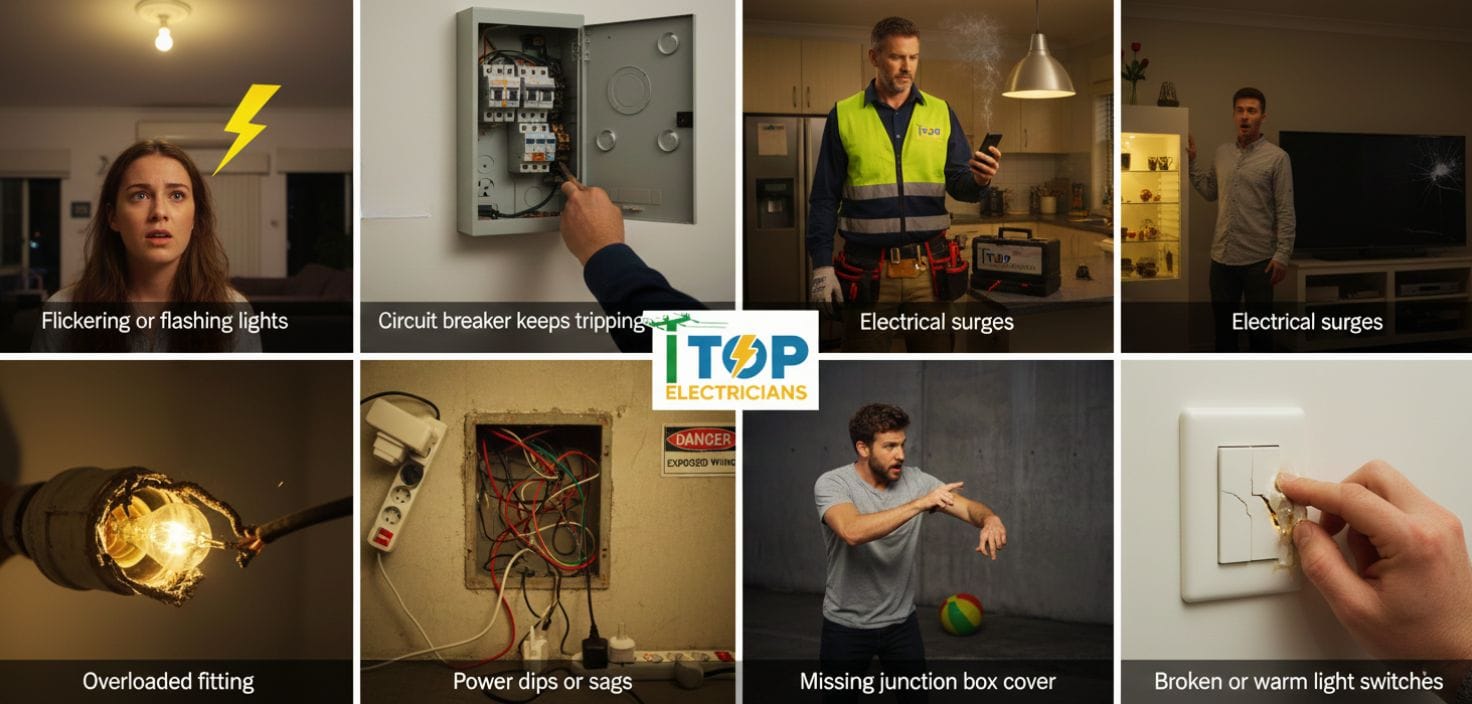
That gap becomes a real problem when something goes wrong. Flickering lights, a breaker that keeps tripping, a defect notice arriving in the letterbox, or a power bill that makes no sense. These are the moments when understanding these two components, and knowing what state yours are in, stops being optional.
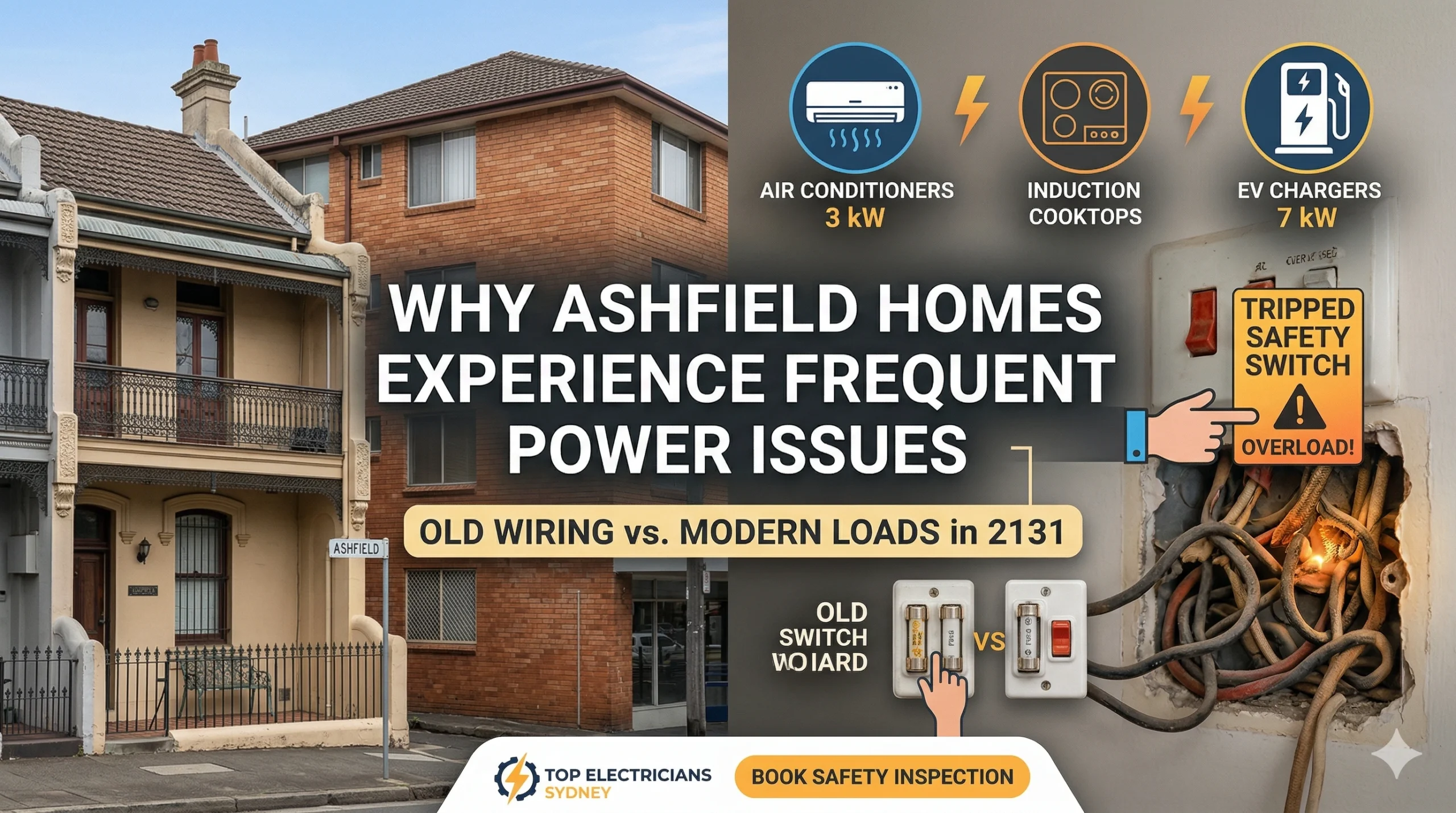
Sydney’s housing ranges from Federation homes in the Inner West to new builds in Parramatta, Blacktown, and the Hills District. A lot of older properties are still running electrical infrastructure that was put in decades ago, long before ducted air conditioning, EV chargers, solar inverters, and home offices became standard household items.
This guide breaks down how your switchboard and meter box work, why the consumer mains matter, and how to spot when your system needs attention before a fault forces the issue.
Why Electrical Switchboard and Meter Box Matter in Sydney
With Sydney’s population exceeding 5.6 million, our energy grid is under more pressure than ever. From the historic terrace houses of Paddington to the sprawling new estates in Parramatta and Blacktown, the demand for power has shifted.
- Higher Loads: Fifteen years ago, we didn’t have high-draw induction cooktops, multiple home offices, and Tesla chargers in every garage.
- Aging Infrastructure: Many Sydney properties still use ceramic “rewirable” fuses. These are not only inefficient but pose a significant fire risk because they don’t trip as fast as modern magnetic circuit breakers.
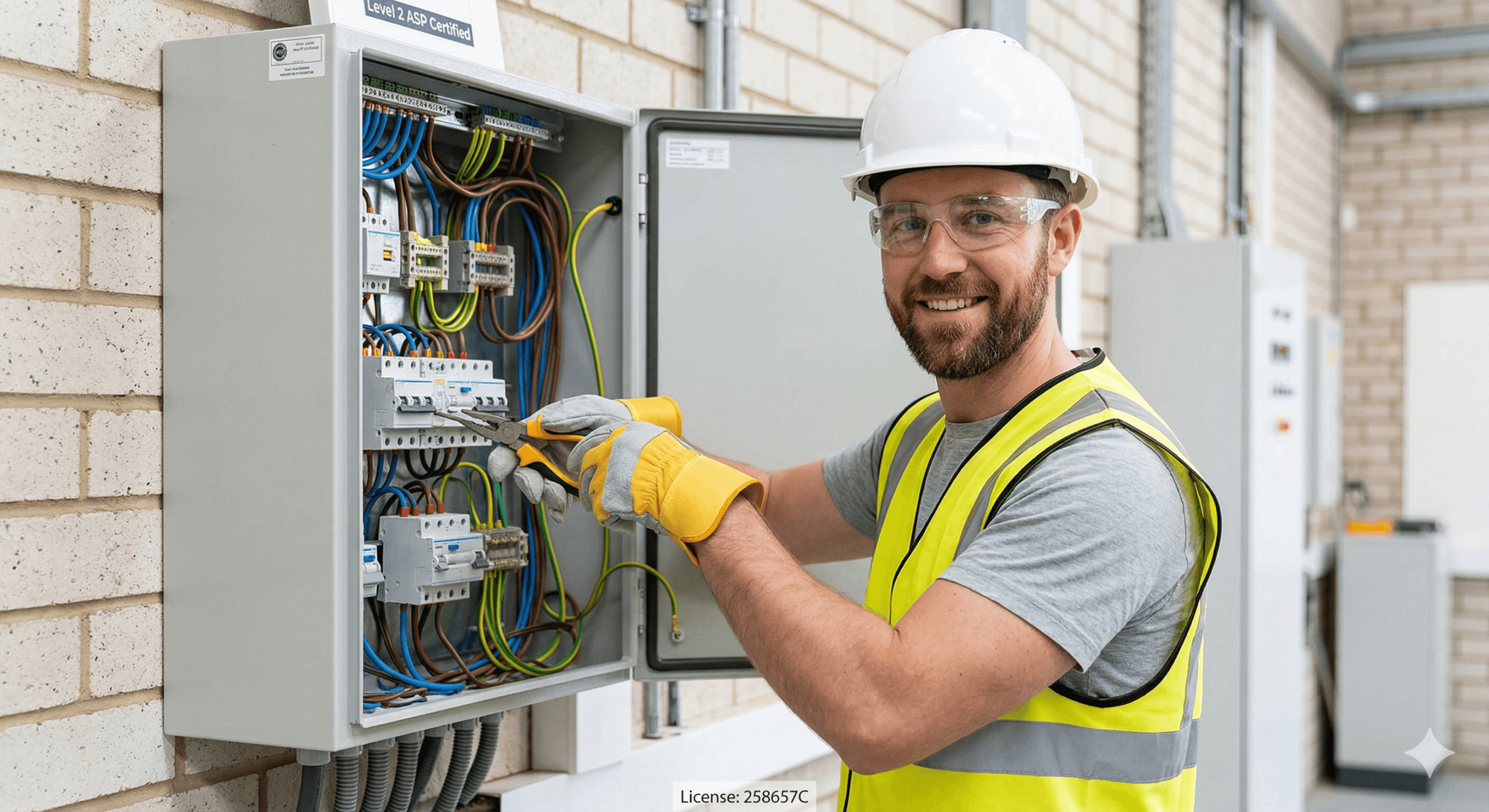
- Compliance: If you receive an Electrical Defect Notice from a network provider like Ausgrid or Endeavour Energy, your system has been flagged as unsafe. This requires immediate intervention from a licensed Level 2 electrician to prevent a total power disconnection.
Consumer Mains: The Lifeline of Your Property
Before power reaches your switchboard, it travels through the consumer mains. These are the heavy-duty cables connecting your home to the network.
- The Risk: Old rubber-insulated mains can crack and perish, leading to arcing or “floating neutrals, “a dangerous condition where your appliances may become electrified.
- The Solution: During a switchboard upgrade, a qualified electrician will often recommend upgrading your consumer mains to ensure the entire system can handle 63 amps or higher.
Switchboard vs. Meter Box: What's the Difference?
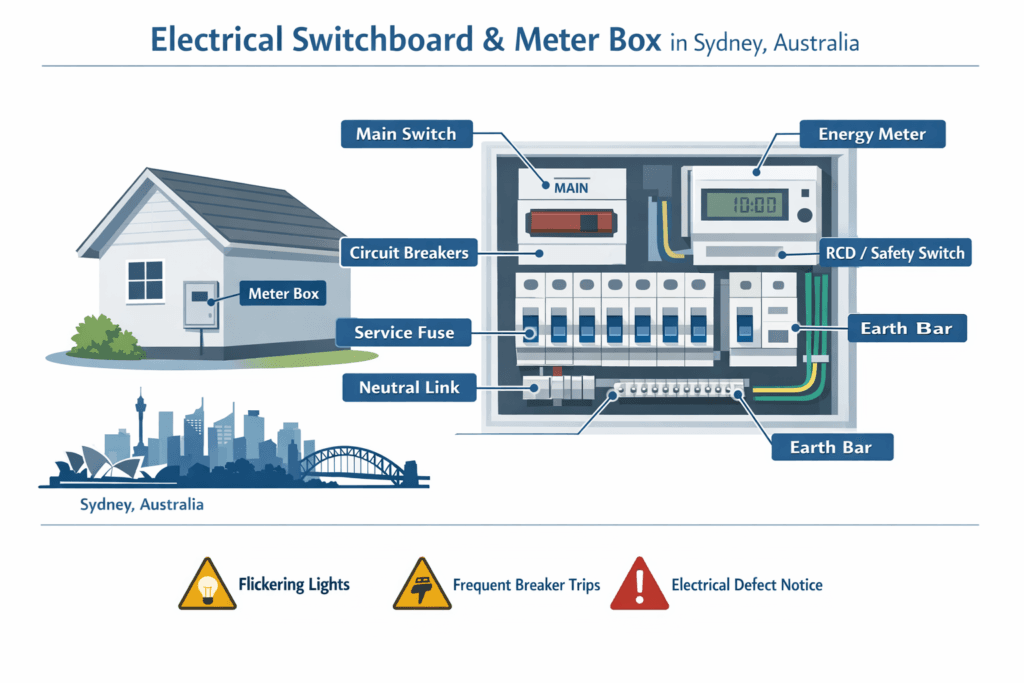
These two sit close together on most Sydney properties, sometimes in the same enclosure, but they do completely different jobs. Mixing them up is one of the most common reasons people call the wrong service or spend time troubleshooting the wrong component.
Switchboard | Meter Box | |
What it does | Distributes electricity across circuits and protects the system | Houses the electricity meter that records consumption for billing |
What’s inside | Main switch, MCBs, RCDs, surge protection devices | Electricity meter, main service fuse, supply connections |
Who owns it | Property owner | Enclosure is the owner’s responsibility; the meter belongs to the energy retailer |
Who can work on it | Licensed electrician | Licensed electrician or Level 2 ASP for supply-side work |
Relevant standard | AS/NZS 3000:2018 | AS/NZS 3000:2018 and network distributor requirements |
Common issues | Tripping breakers, outdated fuses, no RCDs, heat damage | Corrosion, moisture ingress, damaged enclosure, defect notices |
Upgrade trigger | Adding new loads, outdated protection, frequent faults | Enclosure damage, defect notice, smart meter installation |
The switchboard actively controls and protects your electrical system. The meter box passively records how much power you use. Both need to be in good working order for your property to stay safe and compliant with AS/NZS 3000:2018 and the requirements of your network distributor, whether that is Ausgrid, Endeavour Energy, or Essential Energy.
Consumer Mains: What Are They, and Why Are They Important?
The consumer mains are the cables that carry electricity from the network connection point into your property and through to the switchboard. In many older Sydney homes, these cables have been in place for 30 to 50 years. Insulation cracks, connections loosen, and cables sized for a 1970s household often cannot handle what a modern property demands.
Deteriorated consumer mains cause voltage fluctuations, overheating, and in serious cases, electrical fires. They are also one of the most common items on defect notices issued by Ausgrid and Endeavour Energy across Sydney.
If you are planning a switchboard upgrade, get the consumer mains checked at the same time. This work must be carried out by a licensed Level 2 Accredited Service Provider (ASP). A standard electrician cannot legally touch it.
Fuse Box Replacement: Why and When Should You Replace It?
If your home is still running on a ceramic fuse box, the issue goes beyond it being old-fashioned. These systems were not built for the loads modern households place on them, and they do not offer the protection that current Australian standards require.
Ceramic fuses operate by melting a thin wire when the current gets too high. The problem is they do it slowly, they can be replaced with the wrong rating, and they offer zero protection against earth leakage faults. There is no equivalent to a modern RCD in a ceramic fuse system. That means no millisecond response to the kind of fault that causes electrocution.
A modern switchboard with MCBs and RCDs operates in a completely different class of safety. When something goes wrong, the right device responds immediately and precisely, without anyone finding the right fuse wire.
Benefits of Replacing an Old Fuse Box
Safety: MCBs trip faster and more accurately than any fuse. RCDs cut power within milliseconds of detecting a ground fault. Under AS/NZS 3000:2018, all new residential installations require RCD protection across power and lighting circuits.
Capacity: A new switchboard can be built with enough circuits to handle current demand and leave room for what gets added later, without overloading individual circuits.
Compliance: Upgrading brings the installation in line with current Australian Wiring Rules. That matters when it comes to insurance, selling the property, and meeting rental compliance requirements.
Practicality: A fault on one circuit trips one breaker. It does not take out the whole house. Resetting it takes seconds.
Switchboard Upgrade: When Should You Do It?
There is no single age or event that triggers a switchboard upgrade for every property. But there are situations where putting it off stops making sense.
An upgrade is worth booking when:
- The board still uses ceramic or rewirable fuses rather than circuit breakers
- There are no RCDs fitted, or just one covering the entire board
- You are adding new high-draw equipment, including ducted air conditioning, an EV charger, solar panels with battery storage, or an induction cooktop
- Breakers trip repeatedly without a clear reason
- There is heat discolouration, rust, or moisture damage visible on or around the board
- A licensed electrician has told you the board cannot handle the current demand
- The board is 25 to 30 years old, with no upgrades done
Upgrades are also commonly needed when a defect notice arrives, when a renovation is being planned, or when a pre-sale electrical inspection flags the board as non-compliant.
What a Switchboard Upgrade Involves
A standard residential upgrade covers the removal of the old board, installation of a new compliant enclosure, MCBs for all circuits, RCDs fitted to current standards, surge protection where required, and a Certificate of Compliance for Electrical Work issued on completion.
Meter Box Enclosure: Why Protection Matters
The enclosure is not a minor detail. It is what keeps the metering equipment, connections, and cabling inside the box in working condition long-term.
Sydney’s environment is harder on outdoor enclosures than most people realise. Salt air in coastal suburbs corrodes metal components and terminal connections. Summer heat in Western Sydney pushes temperatures inside enclosures well beyond what the components were rated for. Older enclosures that are cracked or no longer properly sealed let moisture in, which accelerates corrosion and can cause faults at the connection points inside.
A deteriorated enclosure can also trigger a defect notice from your network distributor if it no longer meets their physical security or weatherproofing requirements.
A properly rated, weather-resistant enclosure does several things:
- Protects the meter and connections from rain, humidity, and heat
- Stops unauthorised access or tampering with metering equipment
- Keeps the installation compliant with NSW Fair Trading and network distributor requirements
- Reduces the chance of corrosion-related faults developing quietly over time
House Meter Box: What You Need to Know
The house meter box holds the electricity meter, associated connection hardware, and, in most cases, the main service fuse. It is where the network’s responsibility ends, and the property owner’s begins.
Across Sydney, a large number of homes have outdoor meter boxes on the front wall or boundary fence. This suits the network because meters can be read and accessed without entering the property. The downside is that outdoor boxes take the full force of whatever weather the suburb throws at them.
A few important points about your house meter box:
- The meter itself belongs to your energy retailer or metering coordinator, not to you
- The enclosure and connections around the meter are your responsibility as the property owner
- Any work involving the metering equipment or the supply connections inside requires a Level 2 ASP
- A damaged, corroded, or non-compliant enclosure needs attention before it develops into a fault or defect notice
Smart meter rollouts are continuing across NSW. If your property still has a mechanical spinning-disc meter, talk to your energy retailer about upgrading. Smart meters give you real-time consumption data and remove the need for physical meter reads.
Commercial Switchboard: Do Businesses Need Different Systems?
A residential switchboard is not built for commercial or industrial demand. Businesses in Sydney deal with higher continuous loads, more complex distribution needs, and situations where an electrical fault causing downtime has an immediate financial cost.
Commercial switchboards are a different class of installation. Common features include:
- High-capacity Moulded Case Circuit Breakers (MCCBs) for heavy load circuits
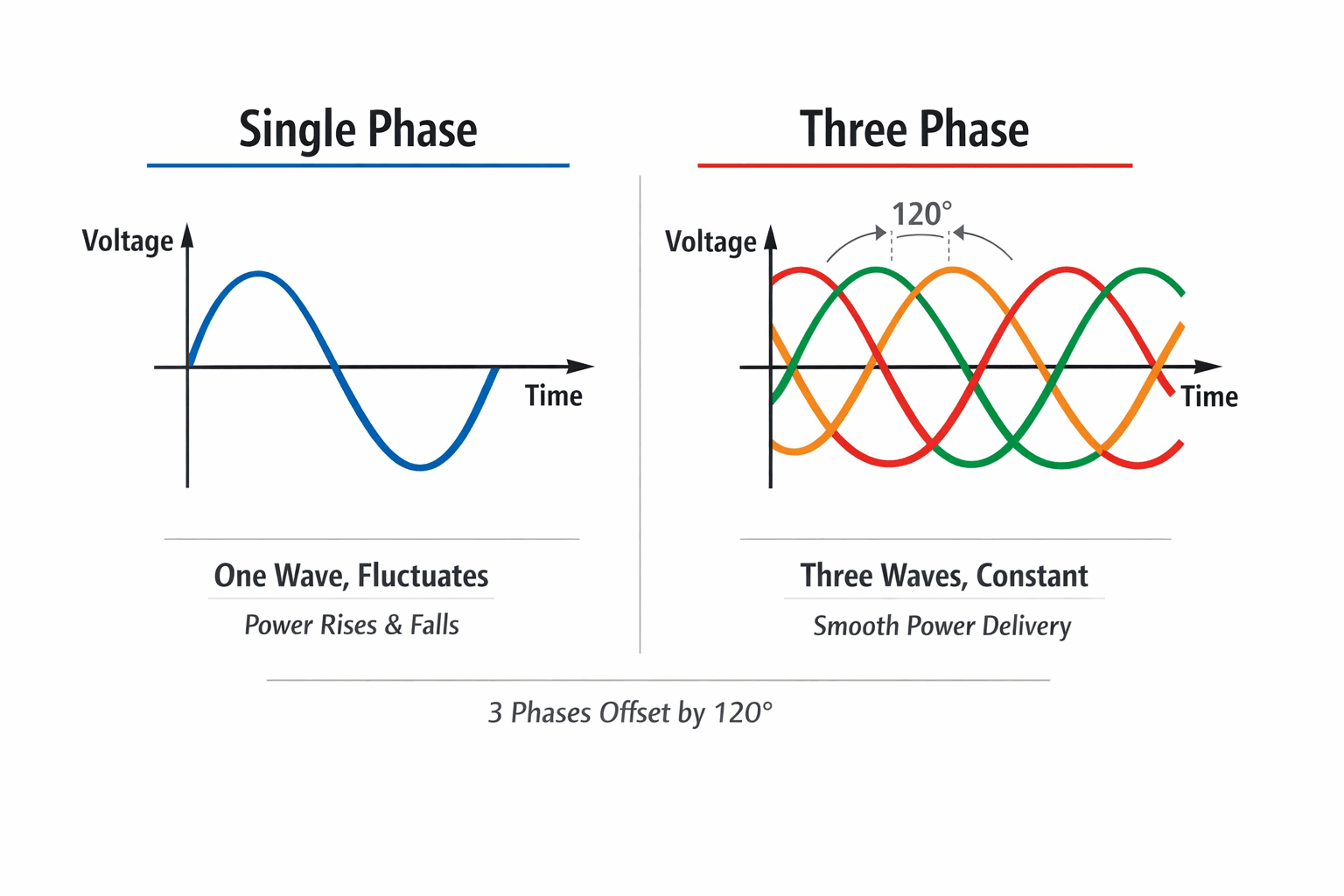
- Three-phase distribution for HVAC systems, industrial machinery, and commercial kitchen equipment
- Multiple distribution sections covering different floors, tenancies, or operational zones
- Motor control components for lifts, pumps, and compressors
- Advanced metering and load monitoring
These installations must comply with AS/NZS 3000:2018 and the switchgear assembly standard AS/NZS 61439. Additional requirements may apply under SafeWork NSW guidelines, depending on the nature of the business.
For businesses where continuity matters, periodic thermal imaging of the switchboard is worth scheduling. It picks up hotspots and loose connections before they develop into a fault.
Electrical Defects: How to Handle Them
A defect notice from your network distributor means an inspection has identified something on the supply side of your property that does not meet current safety or compliance standards. Common defects involve consumer mains, the point of attachment, meter box condition, or private power pole issues.
The notice comes with a deadline. Ignore it, and the distributor can disconnect your supply until the work is done. For a rental property or a business, that is a serious problem.
The process for clearing a defect notice is straightforward when you have the right people handling it:
- Contact a licensed electrician, and confirm whether a Level 2 ASP is needed for supply-side defects
- Get the defect assessed and a clear scope of work agreed upon
- Complete the required repairs or replacements
- Obtain the CCEW for any prescribed electrical work done
- The electrician or Level 2 ASP notifies the distributor that the defect has been rectified
- The distributor confirms clearance and restores the supply if it was disconnected
The cost of sorting a defect notice early is always less than the cost of a forced disconnection at a bad time.
Replace vs Upgrade: Which Option Is Right for Your Property?
Replace | Upgrade | |
Best for | Swapping out a failed component like-for-like | Adding capacity, improving safety, and future-proofing |
Cost | Generally lower upfront | Higher upfront, lower long-term cost |
Outcome | Restores current function | Improves function and compliance |
When to choose | Component failure with no underlying capacity issue | Adding loads, frequent faults, and outdated protection |
For most Sydney properties with fuse boxes or boards more than 20 years old, a proper upgrade makes more sense long-term. Swapping an old fuse box for another outdated component just delays the same conversation and leaves the safety gap open in the meantime.
Costs: Switchboard and Meter Box Work in Sydney
Pricing depends on the scope of work, whether Level 2 involvement is needed, and the current condition of the installation. As a general guide for 2025 to 2026:
- Fuse box replacement with a modern switchboard: $800 to $2,000+ for a standard residential property
- Switchboard upgrade adding RCDs and additional circuits: $800 to $2,000+, depending on scope
- Consumer mains replacement: $800 to $2,000 and above (Level 2 ASP required)
- Meter box enclosure replacement: $400 to $1,200, depending on size and location
- Commercial switchboard upgrade: $3,000 to $10,000 and above, depending on capacity and complexity
- Emergency switchboard repair: from $200+ call-out plus parts and labour
Written pricing is provided before any work starts. A Certificate of Compliance for Electrical Work is issued on completion of all prescribed electrical work.
Let’s get started!
Australian Standards and Regulations That Apply
All switchboards and meter box work across Sydney must comply with the following:
AS/NZS 3000:2018 is the Australian and New Zealand Wiring Rules. It covers all electrical installation work, including switchboards, consumer mains, and metering enclosures and is the base standard every licensed electrician works to.
AS/NZS 61439 covers low-voltage switchgear and controlgear assemblies and applies to commercial and industrial switchboard installations.
NSW Fair Trading administers electrical contractor licensing in New South Wales. All prescribed electrical work must be performed by or under the direct supervision of a licensed electrical contractor. You can check any electrician’s current licence through the NSW Fair Trading licence check portal.
Network distributor technical requirements from Ausgrid and Endeavour Energy apply to all work involving the meter box, consumer mains, and supply connection point.
Why Choose Top Electricians for Switchboard and Meter Box Work in Sydney
Our team covers residential and commercial properties across Sydney with licensed electricians and Level 2 ASPs on staff. Every job gets written pricing upfront, a compliance certificate on completion, and no subcontracting for work our own accredited team can handle.
Our Level 2 ASPs hold accreditation from Ausgrid, Endeavour Energy, and Essential Energy. Whether the job is a fuse box swap or a full consumer mains upgrade with defect clearance, we handle it from the first call through to the compliance paperwork.
Frequently Asked Questions About Switchboards and Meter Boxes in Sydney
What is the difference between a switchboard and a meter box?
The meter box holds the electricity meter, which records how much power your property uses so your retailer can bill you accurately. The switchboard distributes that incoming power across all the circuits in your property and contains the protective devices that cut power when a fault is detected. They are two separate components that work together as part of the same electrical system.
Can I access my meter box myself?
You can look at the meter reading through the cover. Any work inside the box touching the meter, connections, or supply equipment needs a licensed electrician or Level 2 ASP. Tampering with metering equipment is illegal under network distributor rules and can result in prosecution by your energy retailer.
How do I know if my switchboard needs upgrading?
The clearest signs are ceramic fuses instead of circuit breakers, no RCDs or safety switches fitted, breakers tripping repeatedly without a clear cause, heat discolouration or burning smells near the board, and a board that is over 25 years old with no work done to it. If you are adding new high-draw equipment, get the board assessed as part of that planning.
What happens if I receive an electrical defect notice in NSW?
It means the network distributor has identified non-compliant or unsafe equipment on the supply side of your property. You have a set timeframe to get it fixed. Miss the deadline and your supply can be disconnected until the work is done and cleared. Get a Level 2 electrician involved as soon as the notice arrives so the scope is understood and the work can be scheduled without delay.
Does switchboard work require a compliance certificate?
Yes. Any prescribed electrical work in NSW including switchboard upgrades, fuse box replacements, consumer mains work, and RCD installation requires a Certificate of Compliance for Electrical Work. It confirms the work meets AS/NZS 3000:2018 and is important for insurance, property sales, and distributor records. Ask for it on completion of every job.
How long does a switchboard upgrade take in Sydney?
Most standard residential upgrades take three to six hours. Jobs involving consumer mains replacement, multiple sub-boards, or commercial installations can take a full day or longer. A clear timeframe and written scope should be provided before any work starts.
Conclusion: Get Your Switchboard and Meter Box Working for You
An old fuse box, a corroded meter box enclosure, or worn consumer mains are not minor issues to keep an eye on. They are real risks that get more expensive the longer they are left. Most of these problems are straightforward to fix when they are caught early. Waiting for a fault or a defect notice to force the issue always costs more.
At Top Electricians, our licensed electricians and Level 2 ASPs handle switchboard upgrades, fuse box replacements, consumer mains work, meter box repairs, and defect notice rectification across Sydney. All work is done to AS/NZS 3000:2018 with a Certificate of Compliance on every job that needs one and fixed pricing agreed before we start.
Contact us today for a free quote and find out exactly what your switchboard and meter box need.