
Electrical problems can turn dangerous fast. You need someone qualified to fix them safely. A licensed electrician carries years of training and meets strict legal requirements before touching any wiring. We’re breaking down everything about their role, certifications, and responsibilities so you can make informed decisions about your electrical work.
What is a licensed electrician?
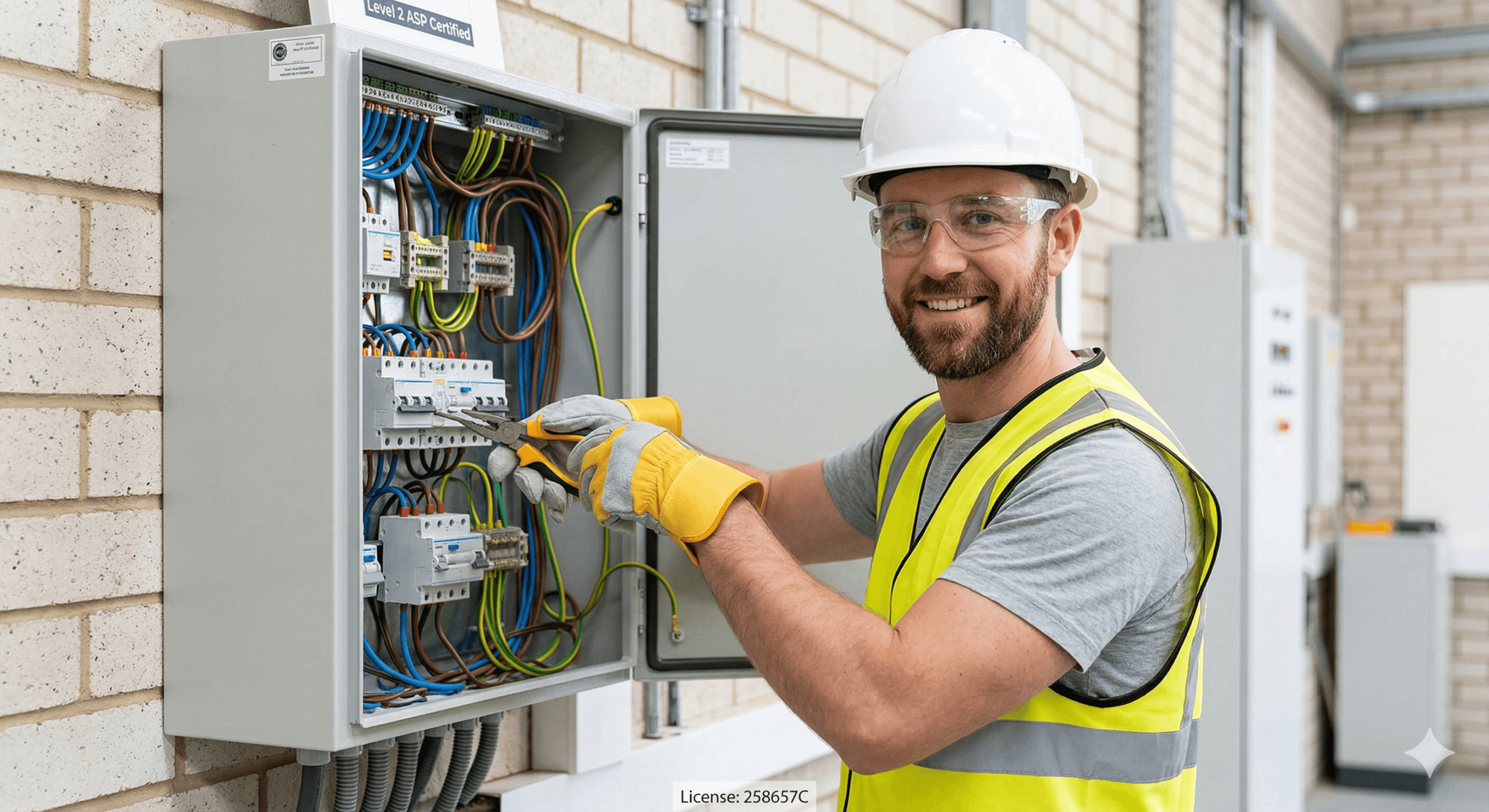
A licensed electrician is a trained professional who holds legal authorization from state authorities to install, repair, and maintain electrical systems. They’ve completed formal apprenticeships, passed technical exams, and registered with regulatory bodies to work safely on residential and commercial properties.
Role of a licensed electrician in residential and commercial electrical systems
Licensed electricians design, install, and maintain electrical systems in homes and businesses. They ensure power flows safely, circuits function properly, and all work meets Australian safety standards and building codes.
Difference between licensed and unlicensed electricians
Licensed electricians carry legal credentials, insurance, and verified training. Unlicensed workers lack formal qualifications, can’t issue compliance certificates, operate illegally, and put your property at serious risk of fires or electrical failures.
What does a licensed electrician do?
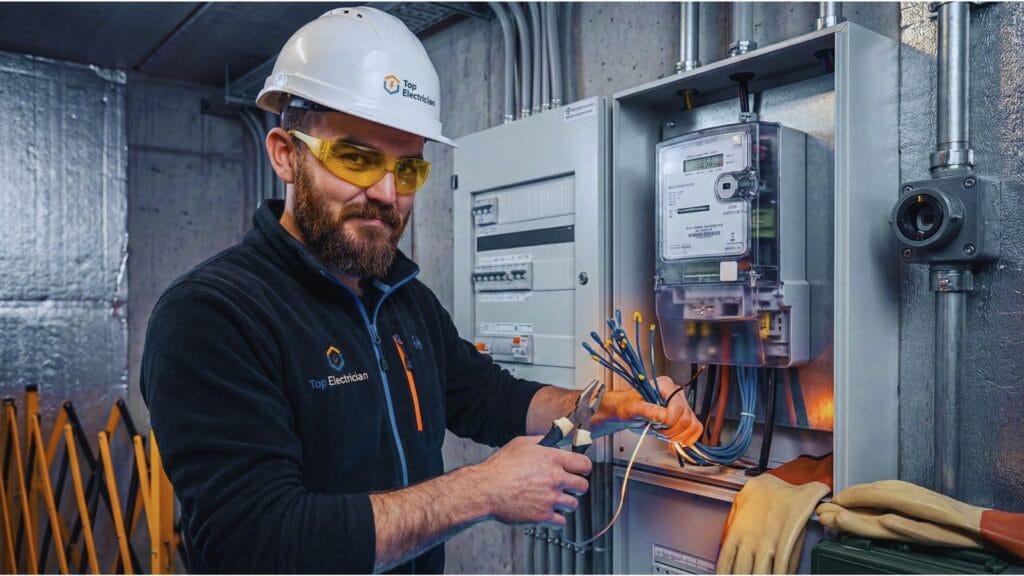
A certified electrician performs electrical installations, repairs faulty wiring, upgrades switchboards, and restores power during emergencies. They diagnose electrical problems, fix defects, install safety switches, and rewire properties while ensuring everything complies with current electrical safety regulations and standards.
Emergency electrical repairs and power restoration
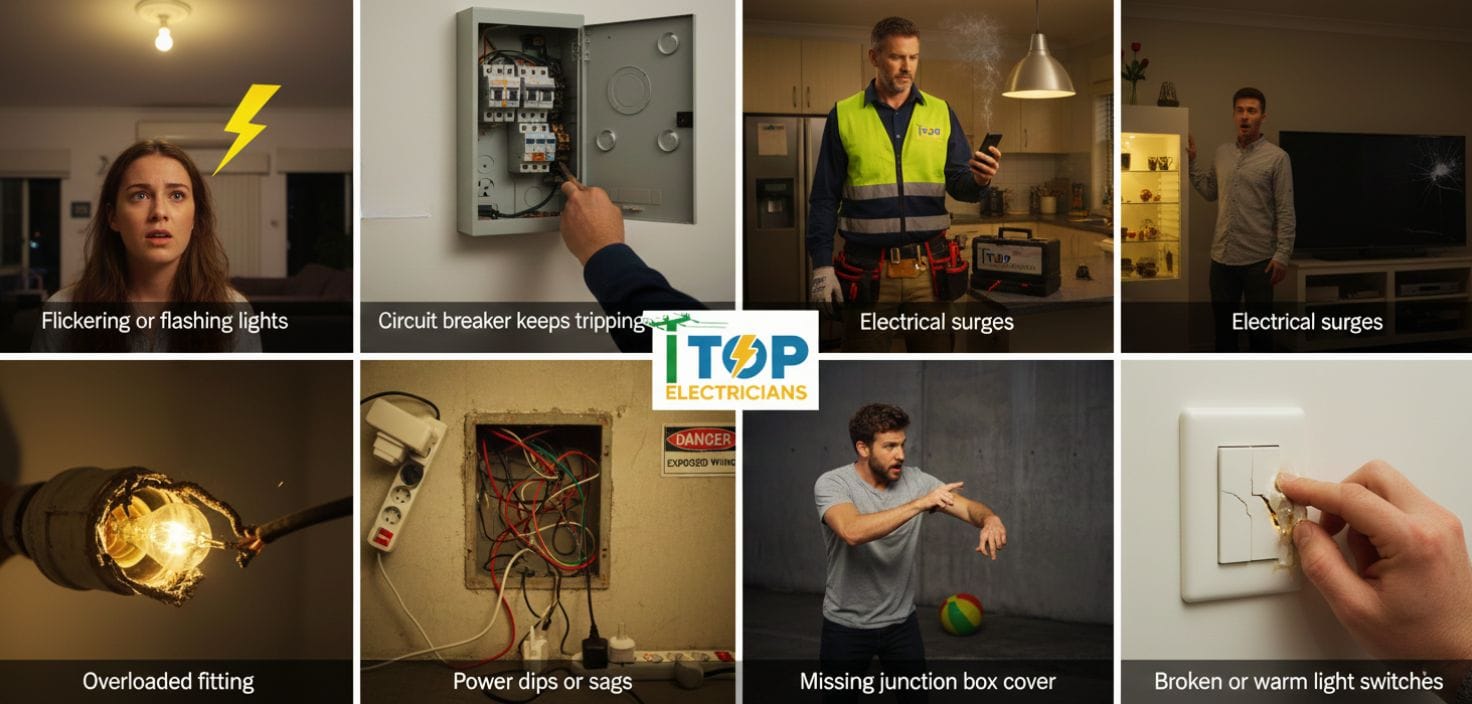
Power outages and electrical faults happen without warning. Licensed electricians respond quickly to restore electricity, fix dangerous problems like exposed wires or smoking outlets, and prevent further damage to your property’s electrical system.
Electrical installation, maintenance, and repairs
Electricians install new lighting, power points, and appliances. They perform regular maintenance checks on electrical systems and repair damaged wiring, faulty circuits, and malfunctioning equipment to prevent hazards.
Switchboard upgrades and safety switch installation
Older switchboards lack modern safety features. Electricians upgrade them to current standards and install safety switches that cut power instantly during faults, protecting people from electrocution and preventing electrical fires.
Home and commercial wiring and rewiring work
Electricians run new cables through walls for renovations or new constructions. They replace outdated wiring in older buildings, ensuring proper load capacity and compliance with regulations for both residential and commercial properties.
Fault finding and defect notice repairs
Electricians use specialized tools to locate hidden electrical faults. They test circuits, identify problem sources, and fix issues listed on defect notices from inspections, ensuring properties meet safety requirements before sale or occupancy.
Is a licensed electrician legally authorized?
Yes, a licensed electrician holds legal authorization to perform electrical work. They must obtain an electrical license from state authorities, meet strict qualification requirements, carry proper insurance, and comply with electrical safety laws. Only licensed professionals can legally install, repair, or certify electrical systems in Sydney and across New South Wales.
Electrical licensing requirements for licensed electricians
Electricians must complete a four year apprenticeship, pass technical assessments, and apply through NSW Fair Trading. They need proof of qualifications, work experience, and ongoing professional development to maintain their license.
Scope of work allowed under a standard electrical licence
A standard electrical licence permits installation, maintenance, and repair of electrical systems in homes and businesses. This covers wiring, switchboards, lighting, power points, appliances, and safety equipment within voltage limits.
Legal responsibilities and compliance obligations
Licensed electricians must follow Australian Standards, obtain permits for major work, notify authorities of defects, and maintain public liability insurance. They’re legally responsible for ensuring all electrical work meets safety codes.
Electrical compliance certificates and inspection reports
Electricians issue certificates confirming work meets safety standards. These documents are legally required for renovations, property sales, and insurance claims. Inspection reports detail faults and recommend repairs to bring systems up to code.
What Certifications Does a Licensed Electrician Need?
Licensed electricians need a Certificate III in Electrotechnology Electrician from a registered training organization. They must complete an approved apprenticeship, hold a valid electrical licence from NSW Fair Trading, and maintain current certifications in first aid, work safety, and electrical compliance through ongoing professional training requirements.
Mandatory technical qualifications and apprenticeships
Electricians complete a four-year apprenticeship combining classroom learning and on-site experience. They study electrical theory, safety practices, and Australian Standards before qualifying.
Electrical trade licence and state authority registration
After finishing their apprenticeship, electricians apply for a licence through NSW Fair Trading. Registration proves they’ve met qualification standards and carry proper insurance coverage.
Ongoing training and safety compliance certifications
Licensed electricians attend regular training to stay current with code changes, new technologies, and safety requirements. They renew certifications periodically to maintain their legal authorization.
What Regulations Apply to Sydney’s Licensed Electricians?
Licensed electricians must follow Australian Standard AS/NZS 3000, the Electrical Safety Act, and local council regulations. These laws govern installation methods, safety requirements, and compliance procedures for all electrical work.
Sydney’s electrical safety standards and laws
Sydney electricians follow NSW electrical safety regulations, council building codes, and Australian Standards. All work requires permits, inspections, and compliance certificates to protect public safety and property.
State based regulations for general electrical work
New South Wales enforces specific licensing rules through Fair Trading. Electricians must register, carry insurance, notify authorities of dangerous work, and issue certificates for installations, repairs, and upgrades.
How to Choose the Right Licensed Electrician?
Choose a licensed electrician by verifying their credentials through NSW Fair Trading, checking insurance coverage, reading customer reviews, and comparing detailed quotes. Top Electrician provides transparent pricing, qualified technicians, and guaranteed workmanship for all residential and commercial electrical projects in Sydney.
Key questions to ask before hiring
Ask about their licence number, years of experience, insurance coverage, and warranty terms. Request references from recent jobs and confirm they handle your specific electrical problem professionally.
What to check for licences, insurance, and experience
Verify their licence through NSW Fair Trading’s online register. Confirm they carry current public liability insurance and workers compensation. Check reviews and ask about similar projects they’ve completed successfully.
Common mistakes to avoid when hiring an electrician
Never hire based solely on price. Avoid unlicensed workers, skip checking credentials, or accept verbal quotes without written agreements. Don’t ignore missing insurance or rush hiring without comparing multiple qualified electricians.