
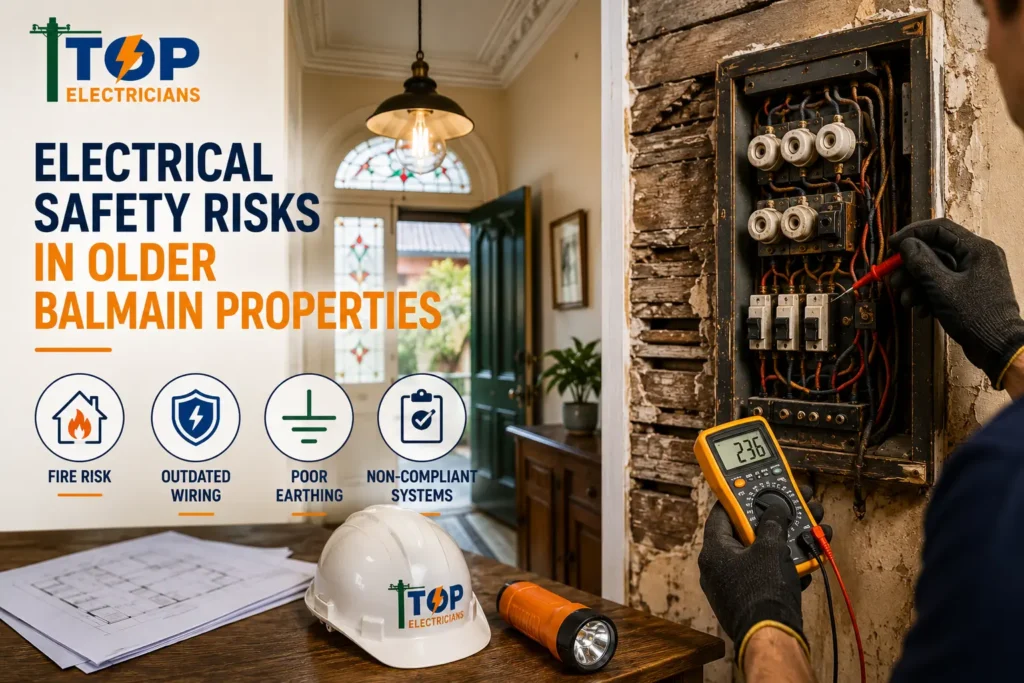
Balmain is home to a unique collection of Victorian terraces and post-war cottages. These properties define the character of the inner west. Many homeowners love the aesthetic charm of these buildings. However, the internal infrastructure often tells a different story. Decades of wear, combined with original wiring materials, create significant fire and shock risks that most owners overlook until a failure occurs.
The Hidden Risks Within Balmain Heritage Terraces
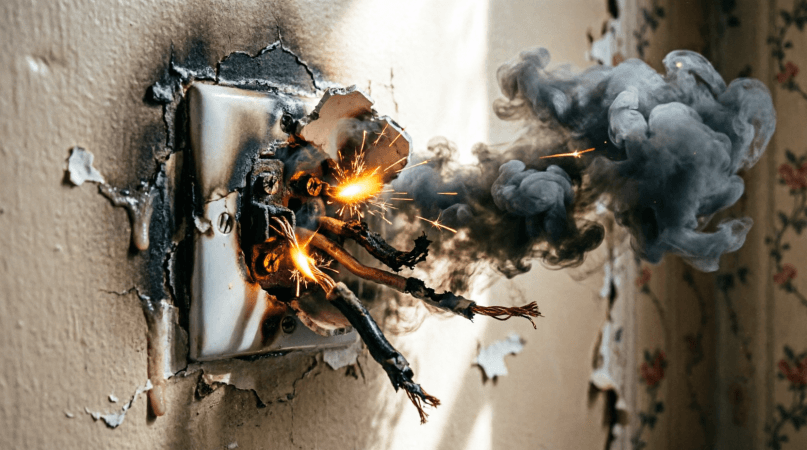
The primary danger in older homes is the degradation of original materials. Most properties built before the 1980s rely on VIR cabling. This material uses a rubber-based insulation that turns brittle over time. When rubber insulation breaks down, it exposes live copper to the timber framing common in Balmain terraces. This creates an immediate fire hazard.
Compounding this is the issue of insulation degradation. Even if the wire remains intact, the protective layer protecting it from the environment has failed. In many cases, we find these cables inside original ceiling roses or tucked behind aging plaster. These areas often harbor dust and debris. If an arc occurs, this material acts as an accelerant. Many older homes also lack proper earthing systems. Without a consistent path to ground, a minor fault can energize the entire metal chassis of an appliance or light fitting. This puts residents at risk of severe electric shock.
Why 1970s Wiring Fails Under 2026 Energy Loads
The way we use power today is vastly different from when these homes were constructed. Modern households place a heavy electrical load demand on systems designed for basic lighting and a few appliances.
- Induction Cooktops: These require high amperage that old sub-circuits simply cannot sustain.
- EV Chargers: Continuous high-wattage charging cycles generate heat that accelerates the brittleness of antique wiring.
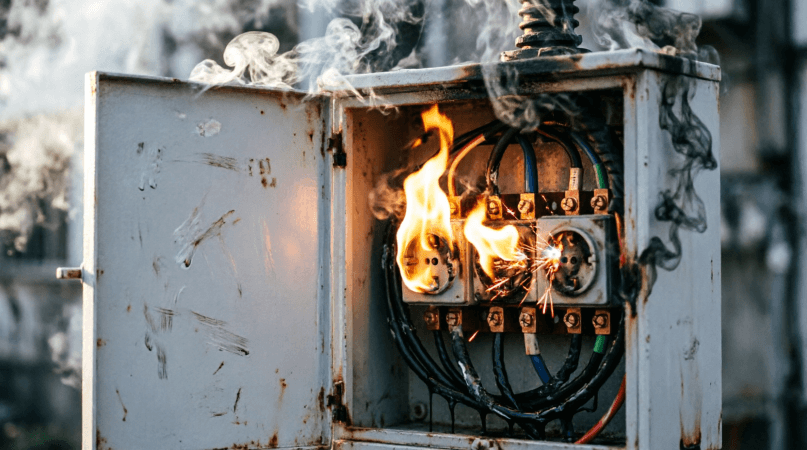
- Ducted Air Conditioning: These systems draw massive starting currents that often trip legacy breakers or blow ceramic fuses.
- Home Office Setups: High-density power board use often leads to overloading circuits that were never meant to support multiple high-drain electronics.
Top Electricians frequently inspect homes where the wiring is intact but physically hot to the touch. This heat is a direct symptom of conductors struggling to handle the current of 2026 lifestyle requirements.
The Heritage Compliance Filter: Balancing Aesthetics and Safety
Navigating the intersection of safety and heritage is the greatest challenge for Balmain property owners. The NSW Heritage Act and local council guidelines often place strict limits on how you can modify the appearance of your home.
| Heritage Requirement | Modern Safety Goal | Strategic Conflict |
| Preserve original timber walls | Install new RCD protected circuits | Limited room for conduit runs |
| Keep original switchboard location | Upgrade to modern safety switches | Restricted wall space for new gear |
| Maintain aesthetic ceiling roses | Eliminate wire tracking/arcing | Risk of fire from aging contact points |
You do not have to choose between a historic look and a safe home. Professional contractors use specialized techniques to route cabling through floor voids rather than cutting into protected walls. You must prioritize AS/NZS 3000 compliance to ensure your home meets current safety standards without violating council overlays.
The Financial Impact of Ignoring Electrical Certification
Many homeowners view electrical upgrades as a voluntary improvement rather than a mandatory risk management step. This perspective changes quickly when a claim is processed. Insurance providers now demand proof of professional maintenance for heritage properties. If a fire starts in a wall cavity and investigators find antique wiring that was never updated, they may void your policy.
A Certificate of Compliance serves as your legal and financial shield. It proves that a licensed contractor has verified the integrity of the system and brought it up to modern standards. Without this document, you carry the full financial burden of any loss. Non-compliance is not just a safety failure. It is a major financial vulnerability that can leave you responsible for hundreds of thousands of dollars in damages.
Expert Diagnostic Standards: Moving Beyond Visual Checks
A standard walk-through with a flashlight is insufficient for a historic Balmain home. You need a deep-dive diagnostic to identify problems hidden behind plaster and skirting boards. Demand these specific tests from your contractor to ensure true safety.
- Megger testing: This procedure measures the insulation resistance of your cables. It reveals if wires are leaking current even if they look fine from the outside.
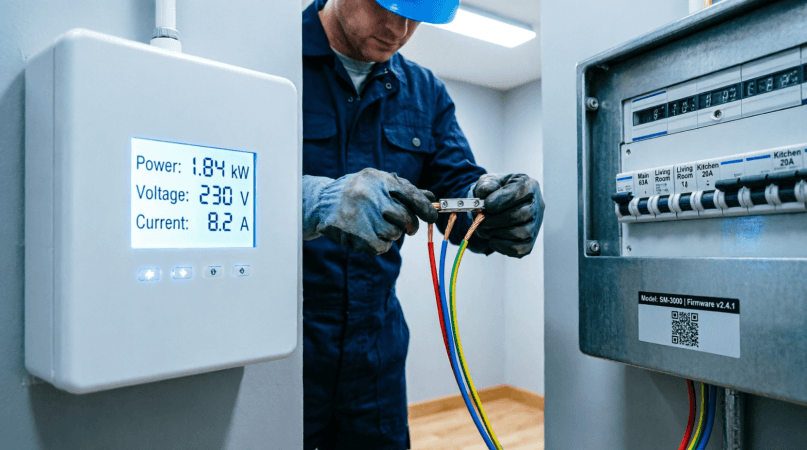
- Thermal imaging inspection: We use infrared cameras to detect hot spots inside your switchboard and behind walls. This identifies failing connections before they spark.
- Arc fault detection: Specialized monitors identify the signature pattern of electrical arcing caused by loose connections or decaying insulation.
Do not accept a quote that involves only a visual inspection. Professional diagnostics are the only way to confirm if your property is ready for the demands of the coming decade.
The Path to a Compliant and Safe Balmain Home
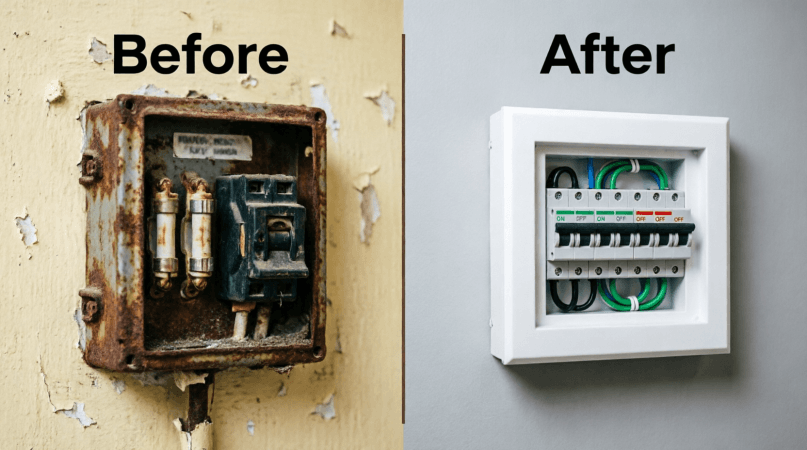
The transition from a high-risk heritage site to a compliant home starts with a full site audit. You must first isolate the dangerous sections of your wiring. Once the critical risks are mitigated, the focus shifts to a full switchboard upgrade. A modern board provides the foundation for RCD protection. This acts as a circuit breaker that detects tiny leakages and cuts power in milliseconds. This is your primary defense against electrocution. Top Electricians specialize in integrating these modern protections into heritage environments. We ensure your electrical system supports your lifestyle while respecting the character of your Balmain property.
Final Verdict on Your Property Safety
Your home is a significant asset. Ensuring its electrical safety is not merely about maintenance. It is about protecting your family and your financial future. The combination of aging infrastructure and modern power needs creates a silent risk that grows every year. Proactive testing and strategic upgrades are the most effective ways to manage this. Work with specialists who understand both the technical requirements of the Australian Standards and the unique heritage constraints of the inner west. Peace of mind begins with a verified and compliant electrical system.
No matter what your strata building needs, Top Electricians is ready to help keep it safe, compliant, and fully functional. We proudly service all Sydney areas, including Greater Western Sydney, the Southern Suburbs, and the Eastern Suburbs. Wherever your property is located across Greater Sydney, our team is ready to help. You can contact us to discuss your electrical compliance requirements or call 0431 460 141 to speak with a technician today.
Expert FAQ: Electrical Safety in Heritage Homes
Does my heritage-listed home require different electrical standards?
Yes. While all homes must meet AS/NZS 3000, heritage properties require careful planning to avoid damaging protected walls or aesthetic features. You must balance safety mandates with local council heritage conservation rules. If you need guidance on meeting these requirements, our team at Top Electricians provides expert site assessments.
What is the difference between a ceramic fuse and an RCD?
Ceramic fuses only break the circuit during a major short. An RCD (Residual Current Device) detects tiny current imbalances and shuts off power to prevent fatal electric shocks. RCDs are mandatory for all modern circuits.
How do I know if my house has hidden DIY wiring?
Look for signs like light switches that do not align with room layouts or cables running behind baseboards. Professional thermal imaging and continuity testing can locate these non-compliant sections, which is a core part of the electrical auditing services we offer.
Is flickering light always a sign of a major problem?
Not always, but it often indicates a loose connection or a neutral fault. In Balmain terraces, this frequently happens when older circuits struggle with modern high-load appliances. A licensed professional must verify the cause.
What should I ask for in an electrical safety report?
Ask for an insulation resistance test, a check of your earth electrode system, and an infrared scan of your switchboard. A simple list of “working outlets” is not a formal safety audit. Our technicians ensure every report provides the depth required for insurance and compliance purposes.